Chandler, AZ, is known for its sunny weather, scenic desert landscapes, and fast-growing population. Chandler’s desert setting isn’t just scenery; it actively stresses cars, with the fuel system taking the brunt of the heat and dust. If you’re operating in sweltering heat or a dusty environment, the weather itself can aggravate fuel‑system faults, which usually means expensive fixes and forced downtime.
Anyone who’s noticed their car hesitating, sipping fuel, or stalling knows they aren’t the only one dealing with it. If you’re driving in Chandler, you’ll notice many face alike issues. In this article we examine the typical fuel system issues that bother Chandler drivers and share straightforward tips to keep your engine running smoothly. Whether you commute daily or only venture out on a weekend, grasping these concerns will keep needless trouble at bay.
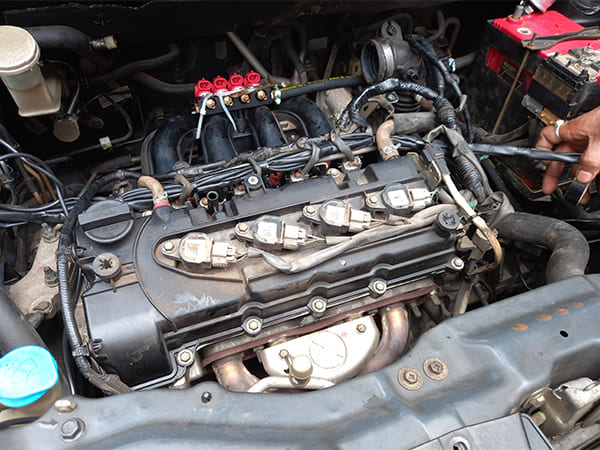
What Are Fuel System Issues and Why They Matter in Chandler, AZ?
The fuel system in your engine moves gasoline from the tank straight into the engine. The system comprises a fuel tank, pump, injectors and filter, each cooperating so the engine receives the proper fuel quantity, correct pressure, and precise timing for smooth operation.
A faulty piece will cause the engine to run rough, sap your mileage, and if ignored it can stop running altogether. The harsh climate of Chandler—bone‑dry desert plus soaring heat—means that what might be a minor hiccup elsewhere becomes a serious concern, with fuel system parts wearing out more quickly.
Why is this important to Chandler residents?
With temperatures often climbing past 100°F and dust storms blowing around Chandler, filters can become blocked, fuel can degrade, and several other faults may arise, all of which can compromise the engine’s fuel system. Regular oil changes, brake checks, and tire rotations might seem minor, but for anyone cruising the streets of Chandler they prevent sudden, pricey failures.
Historical Trends in Chandler, AZ: Fuel System Issues on the Rise
In recent years Chandler has expanded quickly, and you’ll now see more cars cruising its streets than ever before. With the city’s population climbing, the count of cars needing routine service climbs as well. As the fleet of diesel‑driven trucks and gasoline‑run vehicles expands, the incidence of fuel‑system glitches is on the rise.
One notable trend is that Chandler’s hot, dry climate can exacerbate fuel system wear. As the heat climbs, fuel vaporizes at an accelerated rate; this loss of pressure strains the pump and can cause performance issues. On top of that, the region’s sporadic dust storms puff grit into the air, which over time may jam the fuel filter and injector system.
Common Fuel System Problems in Chandler, AZ
1. Fuel Pump Failures
Fuel pumps transport fuel from the tank to the engine at the right pressure. In Chandler’s heat and dust, fuel pumps can wear out quickly.
Symptoms: Stalling, trouble starting, or reduced power while driving. A whining noise from the fuel tank could also indicate a failing pump.
Why Chandler drivers should care: Summer heat and low fuel levels can overheat the pump, causing damage.
2. Clogged Fuel Injectors
Fuel injectors deliver fuel into the engine, but debris from low-quality fuel or a dirty filter can clog them.
Symptoms: Rough idling, misfiring, or decreased fuel efficiency.
Why Chandler drivers should care: Dust and low-quality fuel can clog injectors, especially if maintenance is neglected.
3. Fuel Contamination
Contaminants like water, dirt, or rust can enter the fuel system, causing performance issues.
Symptoms: Engine stalling, hesitation, or rough running after filling up.
Why Chandler drivers should care: Dust storms and high temperatures increase the risk of fuel contamination, especially in older tanks.
4. Clogged Fuel Filters
Fuel filters keep debris out of the engine, but over time they can clog and restrict fuel flow.
Symptoms: Difficulty starting, engine misfires, or hesitation when accelerating.
Why Chandler drivers should care: The dry climate and dust can clog filters faster, making regular replacements crucial to avoid bigger issues.
Step-by-Step Guide to Maintaining Your Fuel System in Chandler, AZ
- Regular Fuel Filter Replacement: Change your fuel filter every 30,000 to 50,000 miles, especially in a dusty environment like Chandler, AZ.
- Use High-Quality Fuel: Always fill up at reputable gas stations. Avoid discount fuel, which is often of lower quality and more prone to contamination.
- Keep Your Fuel Tank Above a Quarter Full: This will prevent the fuel pump from running dry and help reduce strain, especially in the heat.
- Check Your Fuel System During Extreme Heat: In Chandler, the summer heat can cause fuel to evaporate more quickly. Be proactive and check your fuel system before the hottest months.
- Consider Adding Fuel System Cleaner: Periodic use of a fuel system cleaner can help prevent clogs and keep your injectors running smoothly.
Real-World Case Study: Chandler Diesel Pickup Truck
Let’s imagine a Chandler homeowner cruising around in a diesel‑powered pickup truck. The car was stumbling at idle, lagging when you pressed the gas, and drinking more fuel than usual. After looking over the engine, the mechanic saw the injectors choked by carbon residue.
In Chandler’s hot, dry climate, diesel engines are particularly vulnerable to carbon buildup due to the higher combustion temperatures. The owner had neglected regular maintenance, which allowed the issue to persist.
After cleaning the injectors and replacing the fuel filter, the truck’s performance drastically improved. This case underscores the importance of routine maintenance, especially for diesel vehicles in Chandler, where the extreme weather and dust can take a toll on the engine fuel system.
Final Thoughts and Next Steps
Engine fuel system issues are common in Chandler, AZ, but they don’t have to be a constant source of stress. By staying proactive with maintenance, using quality fuel, and addressing problems early, you can keep your engine running smoothly and avoid costly repairs.
If you’re experiencing any of these issues or need professional diagnostics, Copperhead Diesel Performance is here to help. Our expert technicians specialize in diesel and gasoline engine repairs and can ensure your vehicle is ready for whatever Chandler’s climate throws at it. Don’t wait for the problem to get worse—contact us today for all your fuel system needs!
FAQs About Engine Fuel System Issues in Chandler, AZ
1. How often should I replace the fuel filter in Chandler, AZ?
It’s recommended to replace the fuel filter every 30,000 to 50,000 miles, but if you drive through dusty areas or often fill up at lower-quality stations, consider changing it more frequently.
2. Why does my truck keep stalling in the summer heat?
This could be a sign of a failing fuel pump, clogged injectors, or fuel contamination. The heat in Chandler exacerbates these issues by increasing the strain on the fuel system.
3. Can the dust in Chandler affect my engine’s fuel system?
Yes, dust can clog fuel filters and injectors, leading to performance issues. Regular maintenance and using high-quality fuel can help prevent this.
4. How do I know if my fuel injectors are clogged?
If your engine runs rough, misfires, or has poor acceleration, it could be a sign of clogged injectors. A professional mechanic can clean or replace them to restore performance.
5. What are the best fuel stations in Chandler for high-quality fuel?
Look for stations that are known for high turnover and clean tanks. It’s also a good idea to check customer reviews for feedback on fuel quality.