Most drivers in Chandler forget about their shocks and struts until every bump in the road starts to hurt. Maintenance usually stops at oil changes, but your suspension keeps your tires on the pavement. Your shocks and struts do the heavy lifting to keep your tires on the road. They stop your car from bouncing and help you steer straight through every turn. These components eventually fail. When they do, your car loses its pep and every pothole starts to hurt. Learn to fix your bumpy ride by replacing worn struts yourself. We break down the installation process and highlight the red flags that mean your car needs immediate attention. Stick around if you want your car to feel smoother and corner better on the road.
What Are Shocks and Struts?
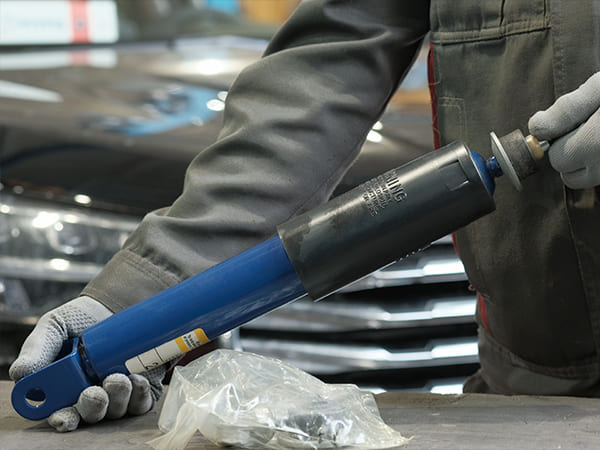
First, let’s look at what shocks and struts actually do for your car before we grab the tools. These parts keep your tires on the road and stop your car from bouncing.
- Shocks act as your car’s main defense against rough roads. They soak up the jolts from deep potholes and nasty bumps so your ride stays smooth and steady. You get a smooth ride because these components kill the springy recoil that makes a car shake and wobble.
- Think of a strut as a multitasker. It houses the dampening shock while also supporting the weight of your vehicle. Think of them as the backbone. They bear the car’s mass, grab vibrations, and guide the wheels. Think of struts as the pillars of your car. They give the suspension its necessary shape and strength.
Both components are crucial for maintaining a smooth ride, safe handling, and tire longevity.
Why Replace Shocks and Struts?
Constant pressure and daily driving eventually break down your shocks and struts. Things start falling apart. Once they lose their edge, you face a list of setbacks including:
- Poor Ride Quality: Worn shocks and struts can make your ride feel bumpy, uncomfortable, or unstable, especially on rough roads.
- Reduced Handling and Safety: Your vehicle’s handling may become less responsive, making it harder to control during turns or sudden maneuvers. This increases the risk of accidents.
- Tire Wear: Uneven pressure on the tires can result from worn suspension parts, leading to premature tire wear.
- Increased Stopping Distance: A compromised suspension system may affect braking, leading to longer stopping distances.
If you notice any of these symptoms, it may be time to replace your shocks and struts.
Step-by-Step Guide to Replacing Shocks and Struts
Swapping out old shocks and struts takes a steady hand and a solid grasp of how a suspension works. You can certainly try this yourself with a good toolkit, but hiring an expert usually saves you from a massive headache. If you prefer to handle things yourself, follow these instructions to get the job done right.
Step 1: Gather the Necessary Tools and Equipment
Before you begin, you’ll need the following tools:
- Jack and jack stands
- Wrenches and sockets
- Torque wrench
- Spring compressors (for struts)
- Replacement shocks or struts
- Safety gloves and eye protection
Step 2: Lift the Vehicle
Use a jack to lift the front or rear end of the vehicle, depending on which set of shocks or struts you’re replacing. Once lifted, secure the vehicle with jack stands to ensure safety. Never rely solely on the jack for support.
Step 3: Remove the Old Shocks or Struts
- For Shocks: Locate the upper and lower mounting bolts of the shock. Remove these bolts with a wrench or socket and carefully pull out the shock.
- For Struts: Struts are more complicated since they involve springs. First, remove the bolts that attach the strut to the steering knuckle or control arm. You will need to use a spring compressor to safely compress the spring before removing it. Be cautious, as compressed springs are dangerous.
Step 4: Install the New Shocks or Struts
- For Shocks: Position the new shock in place and secure it by tightening the mounting bolts. Make sure the shock is aligned correctly and that the bolts are torqued to the manufacturer’s specifications.
- For Struts: Install the new strut into the vehicle, ensuring the spring is properly compressed and aligned. Reattach the strut to the steering knuckle or control arm and tighten the bolts securely. Carefully remove the spring compressor once everything is in place.
Step 5: Reassemble and Test
Once the new shocks or struts are installed, lower the vehicle back to the ground and torque all bolts to the manufacturer’s specifications. Take the vehicle for a short test drive to ensure that the suspension is functioning properly. Listen for any unusual noises and check for signs of instability.
How Often Should You Replace Shocks and Struts?
On average, shocks and struts should be replaced every 50,000 to 100,000 miles. However, this varies depending on factors like driving conditions, vehicle type, and the quality of the parts. Here are some signs that it’s time to replace them:
- Bouncing or swaying when driving over bumps
- Leaking fluid from the shocks or struts
- Uneven tire wear
- Difficulty steering or pulling to one side
- A bumpy, rough ride
If you’ve had your vehicle for a long time, or if you drive on rough terrain often (which is common in Arizona), you may need to replace these components more frequently.
Why Replace Shocks and Struts at Copperhead Diesel Performance?
Swapping out your shocks and struts takes a steady hand. Chandler roads throw plenty of curveballs, so getting this repair right matters for your safety. Our crew at Copperhead Diesel Performance knows that keeping your truck’s suspension in top shape keeps you safe on the road. Driving should feel effortless. Our replacement service fixes shaky handling and keeps your tires planted firmly on the pavement.
Our expert technicians can assess your suspension system, recommend the right replacement parts, and install them to manufacturer specifications. We also provide suspension system maintenance to keep your vehicle in top shape.
Trust Copperhead Diesel Performance for Your Suspension Needs
Replacing shocks and struts is essential for maintaining your vehicle’s safety and ride comfort. Whether you’re noticing performance issues or simply reaching the recommended mileage for replacement, it’s important to address suspension issues sooner rather than later.
At Copperhead Diesel Performance, we specialize in suspension repairs and replacements, offering high-quality service and expert advice. If you’re in Chandler, AZ, and need to replace your shocks or struts, reach out to us today for professional service!
FAQ: Replacing Shocks and Struts
How do I know if my shocks or struts are bad?
Signs of worn shocks and struts include a bumpy ride, difficulty steering, uneven tire wear, and increased stopping distances. You may also notice oil leaks from the shocks.
Can I drive with bad shocks or struts?
While it’s possible to drive with bad shocks or struts, it’s not safe. Worn suspension components can affect handling, braking, and stability, increasing the risk of accidents.
How much does it cost to replace shocks and struts in Chandler, AZ?
The cost of replacing shocks and struts in Chandler can range from $400 to $1,200, depending on the make and model of your vehicle and whether you choose OEM or aftermarket parts.
Can I replace shocks and struts myself?
Replacing shocks and struts is a complex task that requires the right tools and knowledge. If you have the experience and equipment, it’s possible to do it yourself. However, many drivers prefer to have a professional handle it for safety and accuracy.
How long does it take to replace shocks and struts?
Replacing shocks and struts typically takes between 2 to 4 hours, depending on the make and model of your vehicle, and whether you’re replacing front or rear components. Complex suspension systems or vehicles with challenging access points may take longer.