Think about how your car actually feels on the road. If you start noticing a bouncy ride or strange swaying during turns, your suspension system is likely crying out for help. Your car stays steady and easy to steer because the suspension balances the weight during every turn. Driving on a beat-up suspension creates problems that mess with your car’s handling and put your safety at risk. In this post, we’ll walk you through the common signs your suspension needs repair, why they matter, and how to address them in Chandler, AZ.
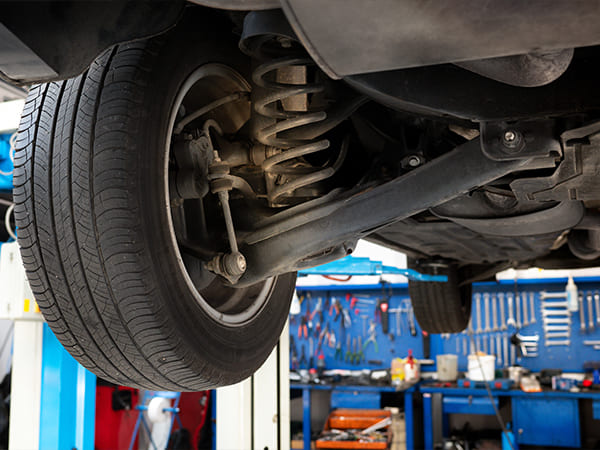
What is the Suspension System?
Before diving into the signs, it’s essential to understand what your vehicle’s suspension system does. The suspension is a complex system of components, including springs, shock absorbers, struts, and control arms, designed to:
- Absorb shocks and vibrations from the road.
- Maintain tire contact with the road surface for better handling.
- Ensure a smooth, stable ride by balancing weight distribution and body roll.
In short, your suspension ensures that you can drive comfortably, safely, and without constant jarring. Over time, suspension components wear down due to road conditions, driving habits, and the vehicle’s age, which can lead to performance issues.
Common Signs Your Suspension Needs Repair
Recognizing when your suspension needs attention is crucial for preventing further damage. Here are the most common signs that it’s time for a suspension repair in Chandler:
1. Bumpy or Rough Ride
One of the most obvious signs your suspension is failing is an uncomfortable ride. If you’re feeling every bump, crack, and pothole more than usual, your shock absorbers or struts could be worn out. A rough ride means your suspension can no longer effectively absorb shocks, which could lead to a decrease in control over your vehicle.
2. Uneven Tire Wear
Tires are a direct reflection of the condition of your suspension system. If your suspension is damaged, the tires may not be making even contact with the road, leading to uneven tire wear. This can manifest as bald spots on one side of the tire or excessive wear on specific areas. Uneven tire wear not only reduces tire lifespan but also affects handling and safety.
3. Pulling to One Side
When your suspension is in good shape, your vehicle should drive straight and stable. However, if your car is pulling to one side, it could be a sign of a misaligned suspension. This can happen when one or more suspension components wear unevenly, causing a shift in the vehicle’s alignment.
4. Excessive Nose Diving or Squatting
Does the front of your car dive downward when you brake, or does the back sag when you accelerate? These behaviors are indicators that your suspension isn’t functioning as it should. Nose diving during braking and squatting during acceleration suggest that the shock absorbers or struts are no longer effectively controlling weight transfer.
5. Suspension Noises (Clunking or Squeaking)
If you hear clunking, squeaking, or popping noises when going over bumps, turning, or braking, it’s a clear sign that your suspension system has worn-out parts. These sounds are often caused by loose or damaged components like bushings, ball joints, or control arms. Ignoring these noises can lead to more serious suspension failure.
6. Difficulty Steering or Handling
Your suspension system also plays a key role in your vehicle’s handling. If you find it difficult to steer, or if your car feels unstable while cornering, it could indicate problems with your suspension. Poor handling can also lead to a decreased ability to control your car, especially on curves or during emergency maneuvers.
7. Leaking Shock Absorbers
Your shock absorbers keep your car’s body stable by absorbing road shocks. If you notice oil or fluid leaking from the shock absorbers or struts, they may need repair or replacement. A visual inspection can help identify such leaks. A leaking shock absorber is a serious issue as it impairs your suspension’s ability to control the vehicle.
The Process of Suspension Repair
Once you’ve identified the signs that your suspension needs repair, the next step is to understand the process. Suspension repair generally includes the following steps:
- Inspection and Diagnosis: A trained technician will thoroughly inspect your vehicle’s suspension system to determine which parts are worn, damaged, or misaligned.
- Part Replacement: Depending on the diagnosis, individual components like shock absorbers, struts, springs, or control arms may need to be replaced.
- Alignment and Adjustment: After replacing components, the suspension system must be realigned to ensure proper handling and stability.
- Testing: After repairs, your vehicle will be tested to ensure that the suspension is functioning correctly and that handling is restored.
In Chandler, AZ, we have qualified shops equipped with the latest tools and knowledge to repair your suspension and ensure your vehicle is running smoothly.
Why Suspension Repair Is Important
Ignoring suspension problems can have a ripple effect on your vehicle’s overall performance and safety. Here’s why timely suspension repair is essential:
- Improved Ride Quality: A well-maintained suspension ensures that you enjoy a smooth, comfortable ride, free from excessive bumps or jarring.
- Enhanced Safety: A properly functioning suspension improves vehicle control, handling, and stability, especially during emergency maneuvers or on rough roads.
- Extended Vehicle Life: Fixing suspension issues early can prevent additional strain on other parts of your vehicle, like tires, brakes, and steering components, helping your car last longer.
- Better Fuel Efficiency: A car with good suspension is more efficient in absorbing road impacts, which can lead to better fuel economy, as the engine doesn’t have to work as hard to compensate.
Suspension Repair Trends and Data
Bad suspension systems cause many wrecks. Recent data proves that losing control of your ride often starts with worn out parts. The NHTSA warns that old shocks and struts make your car slide or drift when you hit a curve. Bad suspension parts stop your tires from gripping the road properly during sharp turns. Road wear is hitting Chandler hard this year. Drivers are heading to the shop for suspension repairs because the changing weather makes every pothole feel much worse.
Given the unique climate and road surfaces right here in Chandler, your vehicle’s suspension system takes a real beating and can wear out faster than you’d expect. Don’t ignore the signals. When things feel off, take a second look. Catching a mistake now saves you later. You are in luck because several garages in the area started focusing on desert car care. They check your belts and fluids specifically to handle these dry roads. These experts prep your vehicle for steep hills and mud. You get a stable ride that handles rough ground without shaking your teeth loose.
Ready to Address Suspension Issues? Here’s How to Proceed
If you notice any of the symptoms mentioned above, don’t wait for the issue to get worse. Fixing your shocks and struts right away keeps your car handling well and keeps you safe on the road. We solve front-end wobbles and suspension rattles at our Chandler shop. Copperhead Diesel Performance gets your truck back on the road. We fix shaky suspensions on everything from small cars to heavy diesel trucks so your ride stays steady and safe on the road.
Those shaky turns mean your suspension is failing. It happens slowly. You need to grab a wrench and check your ball joints today. Fix those bumpy rides or weird clunking sounds right away. Taking care of suspension problems now keeps your bank account full and keeps you safe on the road. If you’re in Chandler, AZ, and your suspension needs attention, reach out to Copperhead Diesel Performance today. Our expert team is here to help keep your ride smooth, safe, and reliable.
Frequently Asked Questions (FAQs)
How much will suspension repair cost in Chandler, AZ?
Suspension repair costs can vary significantly depending on your vehicle’s make and the extent of the damage.
Can I still drive with a bad suspension?
It’s not recommended. A damaged suspension affects handling and safety, making driving risky. Get it inspected as soon as possible.
How long does suspension repair take?
Most suspension repairs take a few hours, but more complex issues may require additional time. We’ll provide an estimated timeline when you come in.
How can I avoid suspension issues in the future?
Regular inspections, keeping tires properly inflated, and driving carefully over rough roads can help extend your suspension’s lifespan.
What happens if I ignore suspension problems?
Ignoring suspension issues can lead to unsafe driving conditions, increased tire wear, and costlier repairs down the road. It’s best to address problems early!