When it comes to vehicle maintenance, suspension bushings often go unnoticed until something goes wrong. But ignoring them can cause bad handling, wear down your tires unevenly, and cost you more in repairs later. If you own a car in Chandler, AZ, and need new suspension bushings, this is for you. This guide covers what suspension bushings are, how to replace them, and why it’s vital for your car’s performance and safety.
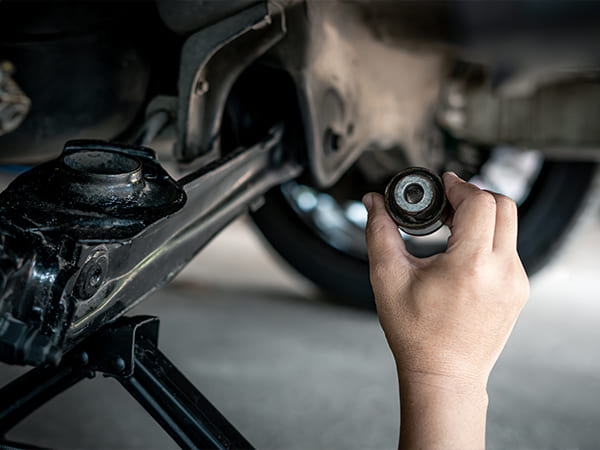
What Are Suspension Bushings?
Before you start swapping out those suspension bushings, let’s quickly talk about what they are and why they’re a big deal.
What are Suspension Bushings?
- Think of them as little rubber or polyurethane cushions for your car’s suspension.
- They sit between parts like the control arms, sway bars, and the vehicle frame.
Why Do They Matter?
- They soak up vibrations and quiet down road noise, giving you a smoother ride.
- They help keep your wheels in proper alignment.
- They are key to good steering and handling.
Unfortunately, they don’t last forever. Heat, dirt, and constant use cause them to wear out. Once they start to go bad, you’ll definitely notice it in how your car rides and handles.
Why Replace Suspension Bushings?
Suspension bushings are like the unsung heroes of your car’s smooth ride, but they inevitably get tired and worn out as the miles pile up, especially if your vehicle calls a place like Chandler, AZ, home. Think about those sizzling summer roads and the occasional chilly snap—that constant change really takes a toll. But seriously, why should you care enough to swap them out?
1. Improved Ride Quality
Worn-out bushings can cause your car to feel rough and bumpy, even on relatively smooth roads. Replacing the bushings will restore smooth handling and enhance ride comfort.
2. Better Handling and Stability
Damaged bushings can negatively affect how your vehicle handles corners and braking. When you replace the bushings, your car will respond more predictably and provide better stability, especially during high-speed turns.
3. Preventing Further Damage
Ignoring worn bushings is a bad idea—they’ll just damage your shocks, struts, and control arms. Catching them early means you avoid much bigger repair bills later.
4. Reduced Noises and Vibrations
You may start hearing squeaks, clunks, or other noises when you drive over bumps or rough patches of road. New bushings can reduce these sounds and provide a quieter, more enjoyable ride.
How to Replace Suspension Bushings: A Step-by-Step Guide
Replacing your car’s suspension bushings is a completely manageable weekend DIY project. With the right tools and knowledge, you can give your suspension the TLC it needs.
Tools for the Job:
- Jack and jack stands (essential for safety)
- Socket, ratchet, and wrench sets
- Torque wrench
- New suspension bushing kit (vehicle-specific)
- Pry bar
- Hammer or impact wrench
- Lubricant (optional, for easier installation)
Step 1: Prepare Your Vehicle
First things first, park your car on a level spot and set the parking brake. Then, you’ll need to lift it up to get to the suspension parts. Use a jack, and for safety, make sure it’s resting securely on jack stands.
Step 2: Remove the Suspension Components
Depending on which bushings you’re replacing (control arm bushings, sway bar bushings, etc.), you’ll need to remove certain suspension components to gain access. First off, take the wheels off. Next, grab your wrench or socket and loosen those bolts holding the suspension bits—like the control arms or sway bar—in place.
Step 3: Remove the Old Bushings
Once you’ve removed the necessary components, it’s time to take out the old bushings. These may be worn, cracked, or damaged. Use a pry bar or a hammer to gently knock the old bushings out of place. In some cases, you may need to use an impact wrench if the bushings are particularly stubborn.
Step 4: Install the New Bushings
Lubricate the new bushings (if necessary) and slide them into place. For polyurethane bushings, ensure they’re properly oriented and seated in the correct position. Use a hammer or a press tool to press them into place, making sure they fit snugly.
Step 5: Reassemble the Suspension Components
Once the new bushings are installed, reassemble the suspension components, ensuring everything is tightened to the manufacturer’s recommended torque settings. Double-check all bolts to ensure they’re properly secured.
Step 6: Test and Inspect
Lower the car back down onto the ground, and perform a quick inspection. Test drive the vehicle to ensure that the ride quality, handling, and noise have improved. Pay attention to any unusual sounds or handling issues, as they may indicate something wasn’t installed correctly.
Benefits of Replacing Suspension Bushings
As mentioned, replacing suspension bushings offers a variety of benefits for both the driver and the vehicle. To recap, here are the top advantages:
- Smoother Ride: New bushings restore the comfort and smoothness of your ride by reducing vibrations and road noise.
- Enhanced Handling: You’ll notice improved handling, better control, and stability when driving, especially through turns or when braking.
- Longer Component Lifespan: By replacing worn bushings, you help prevent further damage to other suspension parts, extending the life of your vehicle’s suspension system.
- Reduced Maintenance Costs: Regularly replacing suspension bushings can save you from costly repairs by preventing more severe issues.
Supporting Data: The Importance of Suspension Maintenance
Let’s face it: life in Chandler, AZ, keeps us busy, and it’s easy to overlook the little things on our cars. A 2020 report from the Automotive Maintenance and Repair Association hit the nail on the head, revealing that a staggering 60% plus of drivers don’t even think about their suspension system until they start feeling—or hearing—a problem. Here’s the deal: catching those worn-out suspension bushings early is like finding a twenty-dollar bill in your old jacket. It prevents a small, inexpensive fix from turning into a massive, wallet-draining nightmare. For example, a tiny, neglected bushing in a control arm can quickly escalate into needing a whole new, expensive suspension arm. Trust us, your wallet will thank you for taking a peek sooner rather than later!
Final Thoughts: Replacing Suspension Bushings for Better Performance
Replacing suspension bushings is an essential maintenance task that directly impacts your vehicle’s handling, ride quality, and longevity. Whether you’re a seasoned DIYer or planning to have a professional take care of the job, knowing the process and benefits is key. If you live in Chandler, AZ, and need suspension bushing replacement or any other performance upgrades, Copperhead Diesel Performance is here to help. Our team of experts is ready to provide you with high-quality service, ensuring your vehicle runs smoothly and safely.
Contact us today to schedule an appointment and keep your vehicle in top shape!
Frequently Asked Questions
How often should I replace my suspension bushings?
Suspension bushings typically last 50,000 to 100,000 miles, but it depends on driving conditions. Inspect them regularly for signs of wear.
Can I replace suspension bushings myself?
Yes, replacing suspension bushings is a manageable DIY job with the right tools and knowledge. If you’re unsure, a professional can help.
What are the signs that my suspension bushings need replacement?
Common signs include a rough ride, clunking noises, poor handling, or uneven tire wear.
Are polyurethane bushings better than rubber?
Polyurethane bushings are more durable and provide better performance, but rubber is typically quieter and more comfortable.
Can replacing suspension bushings improve my fuel efficiency?
Yes, properly functioning suspension bushings reduce friction and improve handling, which can lead to better fuel efficiency.