Your vehicle’s suspension system is one of those parts most drivers don’t think about—until something goes wrong. In Chandler, AZ, where hot temperatures and varied road conditions are the norm, suspension stress can creep up faster than you realize. Your car handles every bump and dip so you don’t have to feel them. From quiet side streets to cracked backroads, the suspension keeps your tires gripped to the asphalt for a steady drive. Hard driving eventually breaks things. When these parts fail, you lose that smooth ride and the sharp control you need to stay safe.
In this blog, we’ll break down common suspension system failures you might encounter, why they happen, how mechanics diagnose and repair them, and what you can do to prevent costly issues down the road. Understanding this system helps you stay safer, avoid larger expenses, and keep your vehicle handling like it should—especially here in Chandler, AZ.
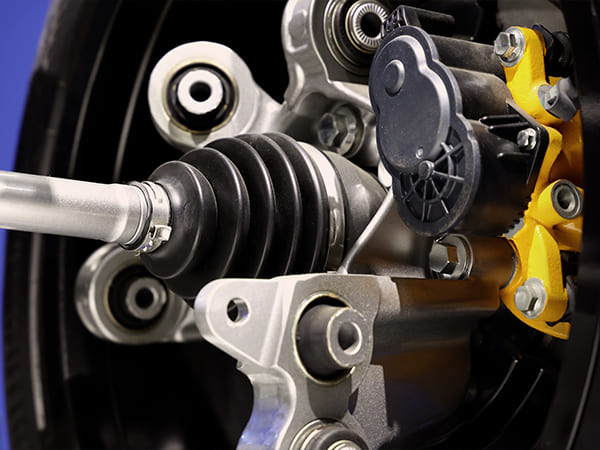
The Basics of Your Suspension System Explained
A suspension system includes springs, shock absorbers or struts, control arms, ball joints, bushings, and other components. Together, these parts absorb road impacts, maintain tire contact with the road, and stabilize your vehicle during steering, braking, and cornering. A well‑functioning suspension improves comfort, handling, and safety; a failing one can make your car feel unstable or unpredictable.
A suspension system includes:
- springs,
- shock absorbers or struts,
- control arms,
- ball joints, and
- bushings.
Together, these parts absorb road impacts, maintain tire contact with the road, and stabilize your vehicle during steering, braking, and cornering. A well-functioning suspension improves comfort, handling, and safety; a failing one can make your car feel unstable or unpredictable.
Common Suspension System Failures and How They Happen
Here are the most common suspension failures you might see — especially in a climate like Arizona’s where heat and road wear can accelerate wear and tear:
1. Worn or Leaking Shock Absorbers / Struts
Shock absorbers and struts dampen the motion of your springs. When they wear out or start leaking fluid, they can’t control bounce effectively, leaving your car bouncing excessively over bumps.
Fix: Replace worn shocks or struts with quality replacements. High‑performance or heavy‑duty options can also improve handling if you frequently drive challenging terrain.
2. Broken or Sagging Springs
Springs support your vehicle’s weight and absorb major road impacts. Over time they may weaken, sag, or even break—especially under heavy loads or rough driving conditions.
Fix: Replace damaged or sagging springs. Upgrading to stiffer or heavy‑duty springs can help if you regularly carry weight or navigate tougher roads.
3. Worn or Damaged Bushings
Bushings cushion metal components and reduce vibration. Heat, age, and road debris can cause them to crack or deteriorate, leading to noise and poor handling.
Fix: Replace deteriorated bushings with new rubber or polyurethane ones to restore ride comfort and reduce noise.
4. Ball Joint and Control Arm Wear
Ball joints connect steering and suspension elements. Worn joints can lead to clunking noises, uneven tire wear, or decreased steering precision. Control arms also wear out over time.
Fix: Replace worn ball joints and control arms. An alignment after major suspension work ensures proper wheel tracking.
5. Wheel Misalignment and Uneven Tire Wear
Suspension issues often cause alignment problems, leading to tires wearing unevenly. This can reduce tire life and impact handling.
Fix: Perform a wheel alignment and inspect suspension components. Regular alignment helps prevent uneven wear.
6. Loose or Damaged Steering Components
Since steering and suspension systems work together, worn suspension parts can make steering feel sloppy, difficult, or unpredictable.
Fix: Inspect and repair worn steering linkages and suspension parts. Steering‑specific issues may also need tie rod or rack inspection.
Why These Failures Happen (Especially in Chandler, AZ)
In places like Chandler, high temperatures can accelerate rubber part deterioration, dry out bushings, and reduce fluid life in shock absorbers. Roads with cracks, potholes, and irregular surfaces can also stress suspension components, causing premature failures or exacerbating existing wear. Specifically, consistent exposure to these conditions demands a more vigilant approach to vehicle upkeep. Regular inspection and timely maintenance help catch issues early before they turn into bigger—and more expensive—repairs. Neglecting these signs can lead to costly repairs and compromise driving safety and comfort.
Trends and Statistics in Suspension System Failures
• A suspension system’s main goal is to keep tires in contact with the road; when components fail, you can experience uneven wear, poor handling, and increased stopping distances. Comprehensive research shows that suspension degradation significantly impacts driving safety and ride comfort when not addressed early.
• Environmental stressors like heat and frequent road impacts can accelerate wear in suspension bushings, springs, and shock absorbers—making regular checks especially important in warmer climates.
The Final Word on Suspension Failures and Repairs
Your vehicle’s suspension system is a complex network of parts designed to provide a smooth, controlled ride. In Chandler, AZ, factors like heat and road surfaces can speed up wear, causing common failures such as worn shocks, broken springs, deteriorated bushings, and alignment woes. Early detection and prompt repair help maintain safety, improve handling, and extend the life of both your suspension and your tires.
Understanding the most common suspension system failures gives you the power to spot issues early and seek timely repairs—saving money and enhancing safety. Whether you’re hearing clunks over bumps, noticing uneven tire wear, or just feeling a rougher ride than usual, paying attention to these signs helps keep your vehicle performing the way it should on Chandler’s roads.
For professional suspension diagnostics and repair tailored to your vehicle’s needs, contact Copperhead Diesel Performance—where experienced technicians are ready to restore your ride comfort and confidence on the road.
FAQs: Your Suspension Questions Answered
How often should I have my suspension inspected?
Inspect your suspension at least once a year or more often if you notice ride quality issues, noises, or uneven tire wear.
Can bad suspension affect my brakes?
Yes—suspension problems can affect stability during braking, increasing stopping distances and reducing control.
What does it mean if my car “dives” forward when braking?
That typically indicates worn shocks or struts that are no longer controlling weight transfer properly.
Is suspension repair expensive?
Costs vary widely depending on the component. Minor parts like bushings are cheaper, while major parts like struts or springs cost more—but early fixes usually save money long‑term.
Will alignment fix suspension issues?
Alignment helps with tire wear and steering issues, but it doesn’t replace worn suspension parts. A full inspection determines if components need repair first.