A rough-running engine can make even the most confident drivers feel uneasy. Whether it’s shaking, stalling, or sputtering, an engine that’s not running smoothly could indicate something is wrong under the hood. Living in Chandler, AZ, where high temperatures and dusty conditions can cause additional wear and tear on your vehicle, it’s important to understand why your engine might be running rough and how to fix it. This guide walks you through the common reasons an engine runs rough and gives practical fixes to bring your car back to peak performance.
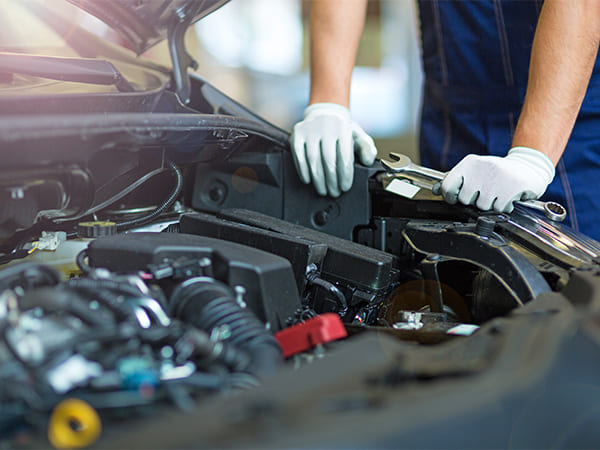
Why Your Engine Might Be Running Rough
Several factors can cause your engine to run roughly. Here are the top culprits:
- Ignition System Issues: Worn spark plugs or faulty ignition coils can lead to misfires, causing rough idling, stalling, or sluggish acceleration.
- Fuel Delivery Problems: Clogged fuel filters, failing pumps, and dirty injectors each disturb the fuel flow, which leaves the engine sputtering and uneven.
- Restricted Airflow or Exhaust Blockages: A dirty air filter, clogged intake manifold, or blocked catalytic converter can limit airflow, impacting engine performance.
- Vacuum Leaks: Cracked or disconnected hoses can disrupt the fuel-air ratio, leading to erratic idling and rough running.
- Faulty Sensors: If a MAF or O₂ sensor fails, it feeds the ECU wrong numbers, which makes the engine run sluggishly.
- Internal Engine Problems: When compression drops inside the engine, it’s usually because the piston rings have thinned, a valve has been harmed, or the head gasket has ruptured, each of which will sap the engine’s strength and lead to larger failures.
Steps to Diagnose and Fix a Rough-Running Engine
If you’re dealing with a rough-running engine, here’s how you can diagnose and potentially fix the issue:
| Step | Action |
| 1. Observe the Symptoms | Note when the engine runs rough (idle, acceleration, or start). Shaking or vibration often points to ignition or fuel issues. |
| 2. Check for Warning Lights | Look for the “Check Engine” light. Use an OBD-II scanner to read the codes and identify the issue. |
| 3. Inspect the Ignition System | Check spark plugs for wear or fouling. Replace damaged spark plugs, and inspect ignition coils and wires for wear. |
| 4. Evaluate the Fuel System | Check the fuel filter for blockages. Listen for unusual fuel pump noises and clean or replace dirty fuel injectors. |
| 5. Examine the Air Intake System | Inspect and replace a dirty air filter. Check the intake manifold for blockages and ensure proper airflow. |
| 6. Check for Vacuum Leaks | Inspect vacuum lines for cracks or disconnections. Repair damaged hoses to restore proper function. |
| 7. Clean or Replace Faulty Sensors | Clean or replace dirty Mass Air Flow (MAF) and Oxygen (O2) sensors to fix engine performance issues. |
| 8. Compression Test | If issues persist, perform a compression test to check for internal engine problems like worn piston rings or a blown head gasket. |
When to Seek Professional Assistance
While some issues can be handled at home, certain situations demand professional help. Here are some signs that it’s time to seek expert assistance:
- Persistent Warning Lights
- If the “Check Engine” light stays on after attempting repairs, a mechanic can use advanced diagnostic tools to identify the issue.
- If the “Check Engine” light stays on after attempting repairs, a mechanic can use advanced diagnostic tools to identify the issue.
- No Movement in the Engine.
- If you twist the key and nothing happens, and the engine parts fail to move as they normally would, suspect a big mechanical fault such as low compression or a failing electrical system.
- If you twist the key and nothing happens, and the engine parts fail to move as they normally would, suspect a big mechanical fault such as low compression or a failing electrical system.
- Unusual Noises
- Grinding, knocking, or clunking noises are a sign that something is wrong within the engine. These noises often indicate internal engine damage that requires a professional inspection.
- Grinding, knocking, or clunking noises are a sign that something is wrong within the engine. These noises often indicate internal engine damage that requires a professional inspection.
- Low Compression
- If you discover low compression during a test, it’s a sign of significant internal damage that typically requires a professional mechanic’s expertise.
- If you discover low compression during a test, it’s a sign of significant internal damage that typically requires a professional mechanic’s expertise.
How to Prevent Rough-Running Engine Problems
The best way to prevent a rough-running engine is through routine maintenance. Here are a few tips to keep your engine running smoothly in Chandler’s hot climate:
- Regularly Replace the Air Filter: A clogged air filter can reduce airflow to the engine and cause rough running. Replace it every 12,000 to 15,000 miles or as recommended by the manufacturer.
- Keep the Fuel System Clean: Replace the fuel filter and clean the fuel injectors regularly to maintain proper fuel flow to the engine.
- Check the Spark Plugs: Inspect the spark plugs regularly, and replace them if they appear worn or dirty. Worn spark plugs can cause misfires and rough running.
- Routine Vacuum Leak Inspection: Vacuum leaks can cause unstable idling and poor engine performance. Have your vehicle inspected for leaks during regular maintenance.
- Use High-Quality Fuel: Poor-quality fuel can cause engine misfires, knocking, and rough idling. Always use fuel from reputable sources and consider using a fuel additive to clean your fuel system.
Get Your Engine Running Smoothly Again!
An engine that hesitates or runs unevenly may be warning you about a variety of issues, from the easy fix of cleaning spark plugs to the more involved task of repairing internal components. No matter what’s causing it, spotting and fixing the problem fast can stop more damage and pricey repairs.
A rough‑running engine in Chandler, AZ isn’t something to ignore; schedule a service today before the fault spirals. At Copperhead Diesel Performance we run thorough checks and fix issues so your vehicle runs at its best. Give us a call today; we’ll inspect your property and get it fixed fast.
FAQs
1. What causes a rough-running engine in Chandler, AZ?
Look for fuel‑system troubles, ignition faults, an obstructed intake, or a leak in the vacuum circuit. Those problems get stronger when Chandler’s hot, powdery atmosphere bites.
2. Can I drive with a rough-running engine?
Avoid driving a misfiring engine because it can lead to more damage and push repair bills higher. The problem can’t wait. Act on it immediately.
3. How can I prevent my engine from running rough?
Sticking to a schedule of routine work, such as swapping the air filter, changing spark plugs, and reviewing the fuel system, significantly lowers the risk of engine trouble.
4. What should I do if my engine light comes on with rough running?
Seeing the engine light turn on tells you the car’s diagnostic unit has spotted a fault. Plug an OBD II reader into the port, or let a mechanic inspect the car, to pinpoint the issue.
5. How often should I service my engine in Chandler, AZ?
It’s recommended to service your engine every 6,000‑7,000 miles, or follow the schedule in your owner’s manual, so your car runs smoothly in Chandler’s heat.