Let’s face it: Your car’s suspension system is the unsung hero of your drive. It’s the reason your morning commute feels like a smooth cruise instead of a bumpy nightmare, the key to confident handling, and a huge factor in keeping you safe on the roads, whether you’re enjoying the open stretches or tackling the urban sprawl of Chandler, AZ. Catching suspension problems early isn’t just about saving money on big repairs later; it’s about keeping your driving experience comfortable, predictable, and most importantly, safe. This guide is your friendly, straightforward toolkit—we’ll break down what your suspension actually does, the tell-tale signs something is off, how to give it a quick check yourself, and when it’s definitely time to call in the pros.
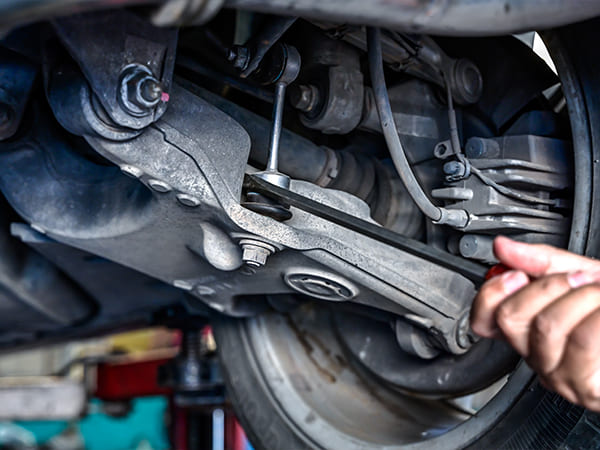
What the Suspension System Does
Your car’s suspension is like a team of parts—shocks, struts, springs, and more—working together. Their job is to smooth out bumps, soak up impacts from the road, and make sure your tires are gripping the pavement. When your suspension is in good shape, it helps with:
- Smooth ride quality
- Stable handling
- Safe braking and steering
- Even tire wear
When suspension parts wear or fail, you’ll begin noticing symptoms that affect comfort and safety.
Common Warning Signs of Suspension Problems
Here are the most typical signs that your suspension may be failing:
1. Excessive Bouncing or Rough Rides
If your vehicle continues to bounce after going over a bump or dip, this is a classic indication that the shocks or struts are worn out and no longer absorbing impacts effectively.
2. Vehicle Pulls to One Side
Consistent pulling while driving straight usually points to suspension wear or alignment issues affecting how your car tracks the road.
3. Uneven Tire Wear
Uneven tire wear is frequently a result of suspension issues, as the tires fail to maintain steady contact with the road.
4. Strange Noises
Clunking, knocking, or squeaking sounds when going over bumps typically come from worn bushings, ball joints, or other suspension components.
5. Sagging or Lower Ride Height
If one corner or side of your vehicle sits lower than the others, a spring or shock may be damaged.
6. Poor Handling & Steering Problems
Difficulty steering, excessive body roll, or a feeling that the car isn’t stable during turns can reflect suspension trouble.
7. Nose‑Diving During Braking
This happens when worn suspension components can’t properly control weight transfer, causing the front end to dip dramatically under braking.
How to Diagnose Suspension Problems Yourself
While a professional inspection is always best for a definitive diagnosis, you can perform some basic checks at home:
1. Bounce Test
- Press down on each corner of your parked vehicle and release.
- If the car continues to bounce more than once or twice, the shocks or struts may be worn.
2. Visual Inspection
Look for:
- Leaking fluid around shocks or struts
- Cracked or sagging springs
- Loose or deteriorating bushings
These visible signs often indicate component wear.
3. Tire Check
Inspect tire tread for:
- Uneven wear
- Feathering or cupping patterns
Even though alignment issues can also cause this, uneven wear often reflects suspension problems.
4. Steering Evaluation
Drive slowly and gently turn the wheel:
- If the steering feels loose, stiff, or unresponsive, it may be related to suspension or steering linkage issues.
When to Get a Professional Diagnosis
Some suspension symptoms are subtle or share causes with other vehicle systems (like brakes or tires). You should seek professional help if:
- You notice multiple warning signs simultaneously
- A home test shows visible damage or excessive bounce
- Steering and braking feel unsafe
- You’ve recently hit a deep pothole or curb (suspension damage can occur even without immediate symptoms)
A trained technician uses specialized tools to inspect:
- Suspension components (shocks, struts, springs)
- Steering and control linkages
- Mounts, bushings, and ball joints
- Tire wear patterns and alignment
This thorough evaluation can pinpoint the exact issue and help you avoid further damage or unsafe driving conditions.
Why Early Suspension Diagnosis Matters
Ignoring suspension problems can lead to:
- Increased tire wear and premature replacements
- Poor vehicle handling and compromised safety
- Excessive stress on other components like steering, brakes, and alignment
- Higher repair costs down the road
Early detection helps keep your car safe, comfortable, and reliable — especially in regions like Chandler, AZ, where hot pavement and rough roads can accelerate suspension wear.
Suspension System Trends and Supporting Data in Chandler, AZ
Suspension problems are becoming more common in areas with increasingly rough roads, frequent temperature fluctuations, and harsh driving conditions like those found in Chandler, AZ. With regular wear from factors such as heavy traffic, hot summers, and potholes from monsoon rains, suspension systems experience significant stress.
Here are a few key trends in suspension system failures, supported by data:
1. Increased Suspension Wear Due to Arizona’s Climate
- Chandler’s extreme heat, often exceeding 100°F, severely impacts suspension components. High temperatures and UV accelerate the degradation of rubber parts like bushings and seals. ADOT notes that heat accelerates wear, potentially shortening the lifespan of suspension parts by up to 30% compared to cooler climates.
2. Pothole and Road Damage
- Potholes in cities like Chandler significantly damage suspensions, worsened by lagging road maintenance. AAA Arizona reported that poor road conditions, including potholes, cost Arizona drivers nearly $200 million yearly in suspension repairs. One in four vehicles sustain pothole-related suspension damage, costing an average of $1,000 to $2,500.
3. Rising Repair Costs for Suspension Components
- As suspension components age, repair costs are rising. RepairPal reports a 12% increase in average suspension repair costs over the past 5 years. Replacing shock absorbers or struts, for instance, now costs $400 to $1,200. The popularity of AWD and 4WD vehicles in Chandler, which have more complex systems, also contributes to higher repair expenses.
4. Increased Focus on Preventive Maintenance
- With rising suspension issues, preventive maintenance is key. The Car Care Council advises annual or 12,000-mile suspension inspections to spot early wear and avoid expensive fixes. Routine checks boost safety and longevity by maintaining alignment, shock performance, and handling.
Final Thoughts on Diagnosing Suspension Problems
Diagnosing suspension issues early gives you peace of mind and prevents more costly repairs later. By recognizing the signs — from rough rides and steering problems to uneven tire wear and strange noises — you can act quickly and keep your vehicle in top shape for Chandler’s roads.
If you’re unsure about your suspension or notice any of the symptoms discussed here, it’s best to have a professional inspection. Copperhead Diesel Performance can provide expert diagnostics and suspension service tailored to your vehicle’s needs — get in touch and keep your ride steady and safe.
Frequently Asked Questions
Can a bad suspension affect braking?
Yes — worn suspension can cause nose‑diving or uneven weight transfer under braking, reducing control and stopping efficiency.
How often should I inspect my suspension?
It’s a good idea to inspect the suspension annually or whenever you notice handling changes or unusual noises.
Is uneven tire wear always a suspension problem?
Not always — it can also result from improper alignment or tire balance. However, suspension wear is a common cause.
Can I drive safely with suspension problems?
Driving with suspension issues can compromise safety. You should address them promptly to avoid further damage or accidents.
When should shocks or struts be replaced?
Shocks and struts typically last between 50,000–100,000 miles, but this varies with driving conditions. Excessive bouncing or oil leaks are good reasons to have them inspected.