If you’re experiencing a bumpy ride, it’s often a sign of suspension issues that need attention. This guide explains how your suspension system works, what causes ride discomfort, and how to identify and fix common suspension problems. Professional help can ensure your vehicle returns to a smooth, safe ride.
Why Suspension Issues Matter for Your Ride Quality
That jarring, bumpy ride isn’t just annoying; it’s a clear cry for help from your suspension. It means your car isn’t cushioning you from the road, and ignoring it can become a serious safety and cost issue.
- Acts as a shield between you and the pavement.
- Keeps the ride smooth and comfortable.
- Maintains responsive, precise steering.
When your suspension starts to go, you feel every little pothole, and handling gets sloppy. Don’t let it slide—you’re looking at expensive fixes and a less-safe ride down the road.
Your suspension is supposed to be your car’s best friend, soaking up the bumps and keeping your steering sharp. If it’s struggling, you’ll know it. Especially here in Chandler, where the roads and heat are brutal, your car’s suspension takes a beating. Catching problems early with routine checkups is key to a comfy drive.
How the Suspension System Works: Key Functions
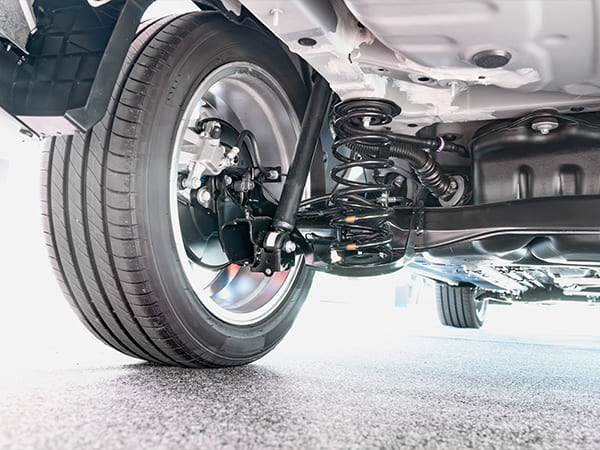
The suspension system is your car’s unsung hero, the crucial link connecting the body to the wheels. It acts as the ultimate shock absorber, smoothing out bumps and dips to keep you steady, stable, and perfectly aligned on the road. The system is a complex collection of parts, including:
- Coil Springs: These absorb road impacts and keep the vehicle level.
- Shock Absorbers: They control the impact and rebound movement of the coil springs.
- Struts: These combine the spring and shock absorber in one unit.
- Bushings and Joints: These allow smooth movement of suspension components.
A smooth, controlled ride is what you should expect when your car’s suspension is in good shape. It lets the wheels move independently of the car’s body, keeping everything stable. If those parts wear out or break, though, your car will start bouncing everywhere, giving you a terrible “bumpy ride.”
Common Suspension Problems That Cause a Bumpy Ride
Several issues in the suspension system can lead to a rough or bumpy ride. Some of the most common problems include:
- Worn-out Shock Absorbers: Causes excessive vehicle bounce after hitting bumps.
- Broken or Worn-out Springs: Leads to vehicle sagging, discomfort, or poor handling.
- Damaged Bushings: Creates rattling or a bumpy ride due due to increased friction and noise.
- Misaligned Suspension Components: Results in improper wheel alignment, uneven tire wear, and a bumpy or jerky ride.
Common Signs of Suspension Problems
Recognizing the symptoms of suspension problems is the first step in diagnosing and fixing a bumpy ride. Common symptoms include:
| Symptom | Cause |
| Excessive bouncing or rocking after hitting bumps | Worn shock absorbers or struts that fail to control the bounce properly. |
| Uneven tire wear | Misaligned or damaged suspension components, such as springs or struts. |
| Vehicle swaying or leaning to one side | Worn-out springs or damaged suspension components, leading to instability. |
Preventive Maintenance: How to Avoid Suspension Issues
Preventing suspension issues is easier and more cost-effective than dealing with a major repair later on. Here are some best practices to keep your suspension system in good condition:
- Regular Inspections: Have your suspension system inspected regularly as part of routine maintenance. Early detection of issues can help prevent costly repairs down the road.
- Avoid Harsh Driving: Try to avoid driving over potholes, curbs, or other obstacles that put unnecessary stress on the suspension system.
- Check Tire Pressure Regularly: Under-inflated tires can put extra pressure on the suspension system, leading to wear and premature damage.
- Address Minor Issues Early: If your ride feels off—maybe your tires are wearing unevenly or you hear weird noises—get your suspension checked out by a pro before things get worse.
The Consequences of Neglecting Suspension Issues
Don’t ignore suspension problems. A small thump is your car signaling a minor issue. A fast, cheap fix now—like replacing shocks or springs—ensures a smooth ride and saves money. Delaying the repair, however, lets those cheap parts damage other, more expensive components. A simple fix quickly becomes a major repair bill involving ruined tires and a dangerously wobbly car. Quick suspension care is the smartest, cheapest way to protect your vehicle’s health and value.
Chandler-Specific Considerations for Suspension Health
The extreme temperatures and road conditions in Chandler, AZ, can take a toll on your suspension system. Heat can cause rubber bushings and seals to degrade more quickly, while rough, uneven roads can stress the shock absorbers and springs. For those of us driving locally, keeping up with regular maintenance is key. It ensures your suspension system stays in top shape, ready to handle our specific driving conditions.
Professional Insight from Copperhead Diesel Performance
Experiencing a bumpy ride is no fun, and it’s usually a sign that your suspension needs attention. If you’re dealing with this, it’s always best to have a pro take a look. Here at Copperhead Diesel Performance in Chandler, AZ, we’re experts at figuring out and fixing suspension problems. We’ll figure out what’s causing that bumpy ride and get your suspension fixed up so your car feels smooth again.
Frequently Asked Questions (FAQ)
How can I tell if my suspension is causing a bumpy ride?
If your vehicle bounces excessively after hitting bumps, leans to one side, or shows uneven tire wear, it’s likely a suspension issue.
Can I fix a bumpy ride myself?
While some basic maintenance can be done at home, fixing suspension issues requires specialized knowledge and tools. It’s best to consult a professional for safety and accuracy.
How long do suspension components typically last?
Suspension components like shock absorbers can last 50,000 to 100,000 miles, depending on driving conditions. Regular inspections can help identify problems early.
What happens if I ignore suspension issues
Don’t ignore suspension issues! They cause poor handling, unsafe driving, uneven tire wear, and bigger repair bills later.
How long does it take to fix suspension issues?
Depending on the severity of the issue, suspension repairs can typically take a few hours to a full day.
Key Takeaways on Fixing a Bumpy Ride
A bumpy ride is often a sign of suspension issues that need attention. Regular maintenance, early diagnosis, and prompt repairs can help prevent further damage and keep your vehicle handling smoothly. In Chandler, AZ, where local conditions can stress your suspension, staying on top of your suspension system is essential for safety and comfort.