Wheel alignment after suspension repair is essential for maintaining vehicle safety, tire lifespan, and handling. This blog explains why aligning your wheels is necessary after suspension work, common issues with misalignment, and how to avoid risks for Chandler, AZ drivers.
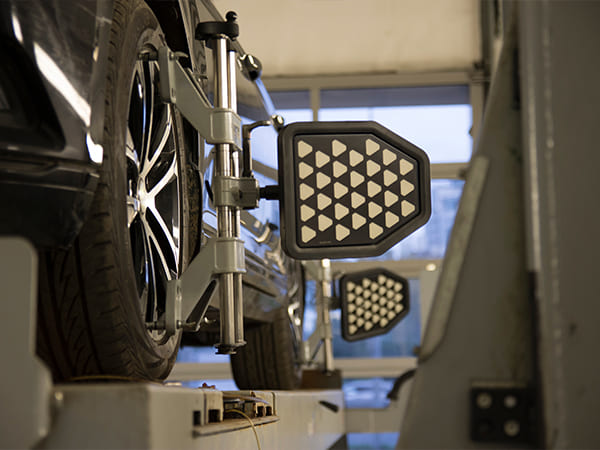
Why Wheel Alignment is Crucial After Suspension Repair
When suspension repairs are made to a vehicle, proper wheel alignment is often overlooked. But seriously, getting your wheels realigned after a suspension fix isn’t just a suggestion—it’s vital! It brings back that smooth handling, stops your tires from shredding prematurely, and keeps you safe on the road. Especially for Chandler, AZ drivers, where the desert heat and roads are tough on cars, this simple step is the key to peak performance and tire life.
When your wheels are out of whack, it’s a real bummer! You’ll chew through tires faster, guzzle more gas, and your car just won’t handle right—which is a safety concern. Getting a pro alignment fixes all that, giving you a smooth, worry-free ride.
How Wheel Alignment Affects Vehicle Performance
Wheel alignment is the meticulous procedure of adjusting your car’s wheel angles exactly to the specifications provided by the manufacturer. Proper alignment is crucial for vehicle stability and performance because it guarantees that your tires make contact with the road surface at the correct angle. The three key components of wheel alignment are:
- Camber: The tilt of the wheels when viewed from the front. Misalignment can cause uneven tire wear and affect steering.
- Caster: The angle of the steering axis when viewed from the side, impacting stability.
- Toe: The angle at which the tires point inward or outward. Incorrect toe settings can cause tires to wear unevenly.
Post-suspension repair, your alignment may shift, which is why it’s important to recheck and adjust the angles.
Common Problems Caused by Misalignment After Suspension Repair
After suspension repairs, if your vehicle’s wheel alignment isn’t checked, you may experience several issues that can affect the driving experience. These include:
- Uneven Tire Wear: Tires that wear down unevenly are often a sign of misaligned wheels. Misalignment can cause the vehicle to pull in one direction or lead to uneven tread wear, shortening tire life.
- Poor Handling and Stability: Misalignment affects how your car drives. You might notice it pulling to one side, difficulty steering, or instability while driving at higher speeds.
- Vibrating Steering Wheel: A steering wheel that vibrates or feels off-center can indicate misalignment, particularly after suspension work.
- Increased Fuel Consumption: Misaligned wheels create more friction with the road, causing your engine to work harder, which reduces fuel efficiency.
Symptoms of Misalignment: How to Spot the Signs
To prevent expensive damage, you should recognize the signs of misalignment quickly. These often include:
- Pulling to One Side: If your vehicle drifts or pulls to one side when driving straight, it’s a clear indication that your wheels are misaligned.
- Vibrating Steering Wheel: A steering wheel that shakes, especially at higher speeds, could be a sign of misalignment.
- Uneven Tire Wear: Inspecting your tires regularly for abnormal wear patterns (e.g., one side more worn than the other) can help identify alignment issues.
- Off-Center Steering Wheel: If your steering wheel is not centered when driving straight, the alignment may be off.
These symptoms are often a result of suspension repairs affecting the alignment of the wheels. In Chandler, AZ, where road conditions and extreme temperatures can exacerbate these issues, paying attention to these signs is especially important.
What Causes Wheel Misalignment After Suspension Repair?
Several factors contribute to wheel misalignment, especially after suspension repairs. Here’s what could be causing the issue:
- Suspension Component Repairs: When suspension components like control arms, tie rods, or bushings are replaced, they can shift the wheel angles, requiring realignment.
- Driving Habits: Hitting curbs, potholes, or aggressive driving can misalign wheels. However, suspension work often involves components that directly affect wheel alignment, making a post-repair check necessary.
- Worn Suspension Parts: If other parts of the suspension system are worn, they may not support the alignment properly, causing handling issues and poor tire wear.
By addressing misalignment early after suspension repairs, drivers in Chandler, AZ, can prevent the escalation of these issues.
Best Practices to Maintain Proper Wheel Alignment
Maintaining proper wheel alignment is crucial for safe driving and extending the life of your tires. Here are key steps to ensure your alignment stays true:
- Align after repairs: Get a wheel alignment after any suspension component repairs or replacements.
- Routine checks: Check alignment every 12,000 miles or once a year, or sooner if you notice pulling or vibration.
- Tire care: Regularly inspect tires for uneven wear and rotate them.
- Drive smart: Avoid harsh braking, curbs, or abrupt maneuvers that can affect alignment.
These steps are especially important for Chandler drivers and will improve vehicle handling and tire longevity.
The Risks of Ignoring Wheel Alignment After Suspension Repair
Neglecting to realign your wheels after suspension repairs can lead to several costly and dangerous consequences:
- Higher Repair Costs: Ignoring misalignment can cause rapid tire wear, potentially damaging the suspension and other components over time. This can lead to expensive repairs down the line.
- Safety Hazards: A vehicle that pulls to one side or handles poorly is unsafe to drive, especially in emergency situations. Misalignment can compromise braking and stability, increasing the risk of accidents.
- Extended Vehicle Downtime: When your wheels are out of alignment, it can really chew up your tires and even damage your suspension. This means your car could be stuck in the shop longer, costing you more time and money.
After you get your suspension fixed, a wheel alignment is a small price to pay for big peace of mind. It keeps you safe on the road and saves you money on future headaches.
Local Considerations for Chandler, AZ Drivers
Living in Chandler, AZ, with all that intense heat and those dry roads? Your tires take a beating, and proper alignment is seriously important. Plus, those unexpected potholes and road cracks can easily mess up your car’s alignment. Getting your alignment checked regularly—especially after any suspension work—is the smart way to keep your car driving smoothly and safely on our Chandler streets.
Schedule Your Wheel Alignment at Copperhead Diesel Performance
If you’ve recently had suspension repairs and need to ensure your wheel alignment is correct, Copperhead Diesel Performance in Chandler, AZ, is here to help. Our expert technicians specialize in suspension systems and wheel alignment, ensuring your vehicle performs safely and efficiently.
Frequently Asked Questions
Why is wheel alignment important after suspension repair?
After suspension repairs, wheel angles may change, affecting the vehicle’s handling and tire wear. Realigning the wheels ensures proper performance and safety.
How can I tell if my vehicle needs a wheel alignment?
If you experience signs such as an off-center or vibrating steering wheel, uneven tire wear, or your vehicle pulling to one side, it indicates that your alignment likely requires adjustment.
How often should I have my wheel alignment checked?
If you’ve recently had suspension work done or if your car seems to be pulling or vibrating, it’s definitely a good idea to get your wheels aligned. Even for regular maintenance, aim to have your alignment checked about once a year or every 12,000 miles—it’s a simple step that really makes a difference.
Can I drive with misaligned wheels?
Driving with misaligned wheels can cause uneven tire wear, poor handling, and safety hazards. It’s best to address alignment issues as soon as you notice them.
How does wheel alignment affect tire wear?
Improper alignment can cause uneven wear on tires, reducing their lifespan and potentially leading to dangerous driving conditions. Proper alignment helps ensure even tire wear and longer tire life.
Ensuring Vehicle Safety with Proper Wheel Alignment
Getting your wheels aligned after suspension work isn’t just a suggestion—it’s key to keeping your ride safe, saving your tires from early wear, and making sure your car handles like it should. A quick alignment check, smart driving, and basic upkeep are simple ways to avoid expensive fixes down the road and keep your vehicle reliable and efficient.