Your A/C system helps more than cabin cooling. In many vehicles, the compressor also supports defrost by drying humid air before it reaches the windshield. During rare Chandler rain, low refrigerant, drain restrictions, or weak compressor operation can slow windshield clearing and reduce visibility in busy pickup zones.
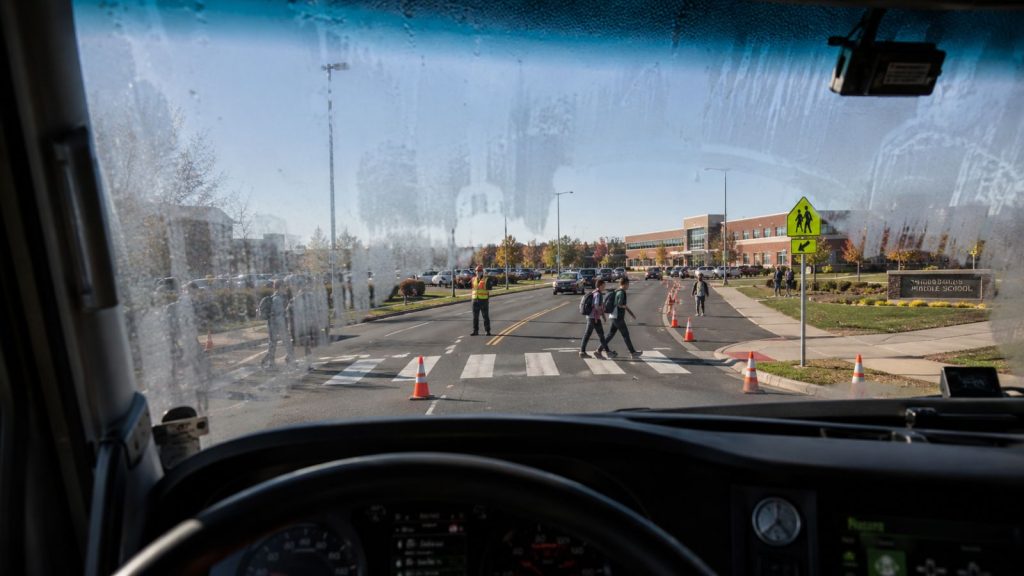
Windshield defrost is not only about heat. In many trucks, selecting defrost allows the HVAC system to request A/C compressor operation so the evaporator can dry the air before it reaches the glass. When we inspect slow windshield clearing, we check compressor command, refrigerant charge, cabin filter condition, drain flow, blower output, and vent humidity to see whether the system is removing moisture or just pushing damp air across the windshield.
Why Defrost Depends on More Than Heat
Many drivers think the heater is the only part of the defrost system. Heat matters, but humidity matters too. If the air blowing onto the windshield is warm but still damp, condensation can remain on the glass longer than expected.
The A/C system helps by lowering the moisture content of the air. As air passes across the cold evaporator, moisture condenses on the evaporator fins and drains out of the HVAC case. The heater core can then warm that drier air before it reaches the windshield.
That is why a truck can have plenty of heat but still struggle to clear the glass. If the A/C compressor is not engaging, the refrigerant charge is low, or the evaporator drain is restricted, the system may not remove moisture effectively.
How the A/C Compressor Helps Dry Cabin Air
In many vehicles, the defrost setting can request A/C compressor operation even when the temperature control is set to warm. This does not mean the system is trying to cool the cabin. It means the HVAC system is using the evaporator to dry the air before reheating it.
That dry air is what helps clear interior windshield condensation. The process is similar to removing humidity from a room. The air may feel warm at the vents, but it has already passed through the A/C side of the system first.
Modern vehicles may control this process through the HVAC module, powertrain control module, body control module, pressure sensors, temperature sensors, and compressor protection logic. Because of that, a defrost complaint can involve more than a simple heater issue.
Why Chandler Rain Can Fog Windshields Quickly
Chandler does not see constant spring rain, but when rain does arrive after warm weather, humidity inside the cabin can rise quickly. Wet shoes, damp clothing, breathing passengers, and warm pavement can all add moisture to the air around the vehicle.
School pickup zones make this more noticeable. Doors open and close, passengers climb in, and the vehicle may sit at low speed with limited airflow. In those conditions, condensation can form on the inside of the windshield faster than drivers expect.
This is why slow defrost should not be ignored. A windshield that takes too long to clear can make it harder to see pedestrians, crosswalks, cones, and traffic movement around busy school zones.
What Can Reduce Defrost Performance
A weak defrost complaint can come from several parts of the HVAC and A/C system. The cause is not always the heater, and it is not always low refrigerant.
- Low Refrigerant Charge: If system pressure is too low, compressor operation may be limited or disabled to protect the A/C system.
- Compressor Control Issue: The HVAC system may request compressor operation, but the compressor may not respond correctly.
- Clogged Evaporator Drain: Moisture that cannot drain properly can stay inside the HVAC case and add humidity back into the airflow.
- Dirty Cabin Filter: A restricted filter can reduce airflow across the evaporator and windshield vents.
- Interior Glass Dust: Fine dust and film on the inside of the windshield can hold moisture and make fogging harder to clear.
- Mode Door or Airflow Issue: If air is not being directed properly to the windshield, the defrost setting may feel weak even when heat and A/C operation are available.
These issues can overlap, so the system should be tested as a whole instead of assuming one part is responsible.
How A/C Diagnostics Confirm Dehumidification Problems
A defrost performance test should confirm whether the system is heating, moving air, and drying the air correctly. A truck can pass one of those checks and still fail another. For example, the vents may feel warm, but the air may still be too humid to clear the windshield quickly.
When we test these concerns, we check whether the compressor is being commanded during defrost, whether refrigerant pressure is within the expected range, and whether the evaporator drain is allowing moisture to leave the case. Cabin filter inspection and airflow checks also help confirm whether the windshield is getting enough air volume.
If the system has scan data available, compressor request, pressure sensor readings, blend door position, mode door operation, and evaporator temperature can all help narrow the cause. The goal is to verify the dehumidification process instead of guessing based on vent temperature alone.
School-Zone Visibility and A/C Defrost Checks
A clear windshield matters most when traffic is slow, crowded, and unpredictable. School pickup lines around Chandler can include pedestrians, bicycles, crossing guards, parked cars, and sudden lane changes. Good defrost performance helps the driver maintain visibility when humidity rises.
This is especially important during rain after warm weather. A truck that clears fine on a dry morning may struggle when several passengers enter with damp clothing or when the cabin air becomes humid. If the glass fogs repeatedly while defrost is selected, the A/C side of the HVAC system should be checked.
For windshield fogging or weak defrost performance in Chandler, Copperhead Diesel Performance at 145 E Highland St, Chandler, AZ 85225 can check A/C compressor command, refrigerant charge, cabin filter condition, drain flow, and vent humidity behavior.
Frequently Asked Questions
Is the A/C compressor automatically engaged when the defroster is activated?
In many vehicles, yes. Selecting defrost often allows the HVAC system to request A/C compressor operation so the evaporator can remove moisture from the air. Some systems may limit compressor operation based on temperature, pressure, or protection logic, so testing is needed if the windshield is not clearing properly.
Can I clear my windshield if my A/C is not working?
Yes, but it may take longer. Heat alone can help dry the glass, but without A/C dehumidification, the system may struggle more during humid rain, passenger loading, or short school-zone trips. A working A/C system usually helps defrost performance by drying the air first.
Does windshield fogging while defrost is on mean there is a problem?
It can. Fogging that keeps returning while defrost is selected may point to low refrigerant, weak compressor operation, a clogged evaporator drain, a dirty cabin filter, interior glass film, or an airflow control issue. The system should be inspected if clearing is slow or inconsistent.
Does dust on the inside of the glass make fogging worse?
Yes. Fine dust, oils, and film on the inside of the windshield can give moisture more surface area to cling to. Keeping the interior glass clean can help the defrost system clear condensation more effectively.