Suspension leaks can really mess up how your car handles, how safe it is to drive, and even how comfortable your ride feels. This guide is here to show you exactly how to spot those leaks, point out the usual culprits for failure, and give you some tips on keeping your suspension healthy. We’ll cover what signs to look for, what causes these leaks, and when it’s definitely time to call in the pros.
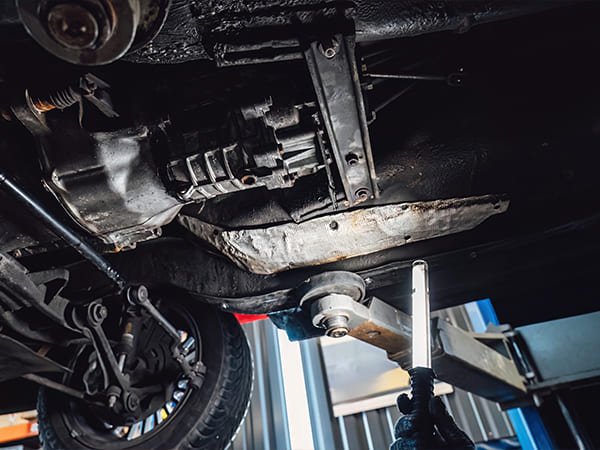
Why Suspension Leaks Matter
Riding in your car should be comfortable, right? That’s what your suspension system is for—it keeps your ride smooth and your handling sharp. But if you get a leak in there, things can go downhill fast. We’re talking reduced stability, tires wearing out unevenly, and honestly, it can make driving feel unsafe. Catching these leaks early isn’t just about saving a bunch of money on repairs; it’s about keeping you safe and making sure your car performs the way it should.
How the Suspension System Works
The suspension system in a vehicle is designed to absorb shocks and ensure smooth handling. Struts and shocks handle the heavy lifting while bushings dampen the noise. Whether using air or hydraulics, these parts balance the vehicle weight to keep your tires planted on the road.
Suspension leaks typically occur in the shock absorbers or struts, which rely on fluid (or air) to cushion your ride. When there’s a leak in these parts, the system loses pressure or fluid, which negatively impacts its ability to absorb bumps and maintain stability.
Common Causes of Suspension Leaks
Several issues can lead to suspension leaks:
- Damaged seals or components: Wear and tear can cause seals to break or become brittle, allowing fluid or air to escape.
- Corrosion or rust: In vehicles exposed to harsh weather, moisture can lead to corrosion, damaging suspension parts and causing leaks.
- Overuse or rough driving conditions: Frequent heavy loads, driving on rough roads, or aggressive driving can accelerate wear on suspension components.
- Improper maintenance: Failing to replace worn-out parts or address small issues early can result in larger, more costly leaks.
Symptoms of Suspension Leaks vs. Real Causes
A leaking suspension system can present several symptoms. However, not every symptom directly points to a suspension leak. Here’s how to distinguish between them:
- Symptoms:
- Uneven tire wear
- A bouncy ride or poor shock absorption
- Dripping fluid under your vehicle (often near the shocks or struts)
- Swaying or difficulty controlling your vehicle while turning
- Clunking or rattling noises when driving over bumps
- Uneven tire wear
- Real Causes:
These symptoms may also be linked to other issues, such as worn tires, alignment problems, or damaged bushings. It’s essential to confirm the root cause of the issue to avoid unnecessary repairs.
Preventive Logic: Best Practices for Suspension Maintenance
Preventing suspension leaks starts with proper care and attention. Here are some best practices to keep your suspension system running smoothly:
- Regular inspections: Check the suspension components for visible damage, wear, or leaks at least once a year or during major services.
- Address small issues early: Even if a leak seems minor, having it repaired promptly can prevent further damage and more expensive repairs down the road.
- Maintain proper driving habits: Avoid overloading your vehicle or driving aggressively, especially on rough terrain, to reduce the strain on suspension components.
The Cost, Risk, and Downtime Context
Neglecting suspension issues can lead to several consequences:
- Costly repairs: If a suspension leak is ignored, it may cause more extensive damage to other parts of the suspension system or even the vehicle frame.
- Safety risks: A compromised suspension system can make it more challenging to control your vehicle, especially in emergency situations.
- Downtime: Delaying repairs can result in your vehicle being out of commission for longer periods, leading to more inconvenience.
Local Considerations in Chandler, AZ
Arizona dust ruins suspension parts faster than you might think. Keep a close eye on your vehicle so those brutal summer miles do not lead to a breakdown. Desert sand and rocky paths beat up your car’s underside. Because the terrain is so rough, your suspension works harder and likely ends up with fluid leaks or snapped parts.
Essential Takeaways
Fixing a leak now is much cheaper than replacing a blown strut later. Small puddles are warning signs that your suspension is about to fail during a sharp turn. Driving around Chandler wears down your shocks and struts fast. You should spot problems early and fix them right away to keep your car balanced. Taking care of small repairs now keeps your car running smooth and safe for the long haul.
If you suspect your suspension system may be leaking, Copperhead Diesel Performance is here to help. Our team of experts can diagnose and repair suspension leaks to keep your vehicle in optimal condition. Reach out to us today for a professional evaluation.
FAQ Section
How do I know if my suspension system is leaking?
Look for signs like fluid spots under your vehicle, a bouncy ride, or difficulty controlling your car while driving. A professional inspection can confirm if there’s a leak.
Can I drive with a suspension leak?
It’s not advisable to drive with a suspension leak, as it can compromise your vehicle’s stability and safety. It’s best to have it checked and repaired immediately.
How often should I check for suspension leaks?
You should inspect your suspension system at least once a year, or more often if you drive on rough roads or in harsh conditions.
What happens if I ignore a suspension leak?
Ignoring a suspension leak can lead to further damage, including worn-out tires, decreased vehicle control, and potentially dangerous driving conditions.
Can I fix a suspension leak myself, or should I seek professional help?
Fixing a suspension leak usually requires professional knowledge and tools, though minor issues might allow for DIY repairs. Consult a professional to ensure safe and correct repair.