Suspension problems are a frequent cause of uneven tire wear. This piece will examine the specific ways various suspension components lead to tire degradation, pinpoint common underlying causes, and provide guidance on both diagnosing and correcting these issues. Regular maintenance and careful inspection are key to preventing expensive repairs and maximizing the longevity of your tires.
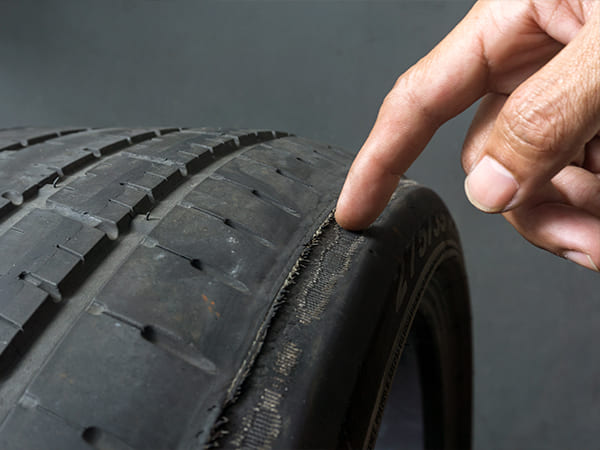
Why Suspension Problems Cause Uneven Tire Wear
Uneven tire wear is frequently a symptom of underlying suspension issues, which compromises both the safety and performance of your vehicle. The suspension system—comprising shocks, struts, and springs—is vital for maintaining optimal tire-to-road contact. Damage or wear to these components disrupts tire alignment, which is the direct cause of the uneven wear pattern.
Uneven tire wear, often caused by incorrect alignment or balancing, compromises traction and handling while increasing stopping distances. Furthermore, ignoring suspension problems can cause more significant damage to your tires, steering, and other suspension parts.
How Suspension Components Impact Tire Wear
Working in unison, a vehicle’s many suspension components maintain proper tire-to-road alignment and ensure a smooth driving experience. Here’s how some key suspension components contribute to tire wear:
- Shocks and Struts: These parts absorb shocks from the road. When they wear out, the tires can bounce or make inconsistent contact with the road, causing uneven wear.
- Springs: Springs support the weight of your vehicle and absorb impacts. If the springs wear out, the vehicle’s alignment can shift, causing uneven pressure on the tires and resulting in uneven wear patterns.
- Control Arms and Bushings: These parts help maintain the proper alignment of the suspension. When worn, they can cause the suspension to become misaligned, leading to excessive or uneven tire wear.
Common Suspension Issues Leading to Uneven Tire Wear
There are several suspension issues that can contribute to uneven tire wear. Below are some of the most common:
| Suspension Problem | Effect on Tires | Symptoms |
| Worn Out Shocks or Struts | Causes bouncing and instability, leading to uneven tire contact with the road. | Rough ride, tire wear on one side, steering instability. |
| Misalignment | Misaligned tires cause one edge of the tire to wear faster than the other. | The vehicle pulls to one side, steering wheel off-center. |
| Worn Springs | Causes the vehicle to sag, which changes the angle of tire contact with the road. | Tire wear on one side, vehicle sits lower than normal. |
| Worn Bushings and Ball Joints | Leads to suspension misalignment and increased wear on tires. | Squeaking sounds, poor handling, and uneven tire wear. |
Addressing these suspension issues early is essential to prevent unnecessary wear on tires and ensure the safety and comfort of your vehicle.
Symptoms of Uneven Tire Wear Due to Suspension Issues
Here are some key symptoms that indicate your suspension system may be causing uneven tire wear:
- Uneven Wear Patterns: If the tread on your tires is more worn on one side or shows bald spots, it could be a sign of suspension problems.
- Vehicle Pulling to One Side: A vehicle that pulls to one side while driving straight often points to misalignment, which could be caused by suspension issues.
- Vibration or Bouncing: Excessive bouncing or vibration during driving could indicate worn shocks or struts, which affect how your tires contact the road.
- Squealing or Noisy Tires: Worn-out suspension components may cause your tires to make excessive noise as they lose proper contact with the road.
Preventive Maintenance to Avoid Uneven Tire Wear
Taking steps to maintain your suspension system can help prevent uneven tire wear and save you money on tire replacement. Here are some preventive measures:
- Regular Suspension Inspections: Have your suspension system checked regularly, especially if you notice any of the symptoms mentioned above.
- Alignment Checks: Ensure that your vehicle’s wheels are properly aligned. Misalignment is one of the leading causes of uneven tire wear.
- Replace Worn Components: If shocks, struts, springs, or bushings are worn, have them replaced as soon as possible to prevent further damage to your tires.
- Tire Rotation: Regular tire rotation helps distribute the wear more evenly across all tires, extending their lifespan.
Cost, Risk, and Safety Implications of Ignoring Suspension Issues
If suspension issues that cause uneven tire wear are ignored, they can lead to significant costs, risks, and downtime. Here are the key impacts:
- Cost: Ignoring suspension problems leads to premature tire wear, which means you’ll need to replace your tires sooner. Furthermore, damaged suspension components are costly to repair and can lead to additional issues if left unchecked.
- Safety Risks: When your suspension is failing, it’s not just a bumpy ride—it’s a safety issue. You lose control of your car, especially if you have to swerve quickly or hit a nasty pothole. Plus, those unevenly worn tires mean less grip, dramatically increasing your chance of an accident.
- Downtime: Ignoring suspension problems isn’t just about the bumpy ride—it’s a time bomb. Keep driving, and what starts as a simple fix turns into bigger, more expensive trouble for other parts of your car.
When to Seek Professional Help
If you’re noticing uneven tire wear or any of the symptoms mentioned, it’s important to have your suspension system checked by a professional. Copperhead Diesel Performance specializes in diagnosing and repairing suspension issues to ensure your tires wear evenly and your vehicle performs at its best.
Importance of Proactive Suspension Maintenance
When your tires wear down unevenly, it’s often your suspension trying to tell you something’s wrong. Ignoring it can lead to expensive fixes and even put your safety at risk. The simple truth? A little bit of routine maintenance—checking your suspension, getting alignments, and fixing issues promptly—goes a long way. It helps stop your tires from wearing out prematurely and makes sure your car drives just right. Staying on top of maintenance is the key to a reliable, safe ride that won’t hit your bank account with surprise bills.
FAQs: Understanding Uneven Tire Wear Due to Suspension Problems
How do I know if my suspension is causing uneven tire wear?
Uneven tire wear, a rough ride, vehicle pulling, or excessive bouncing/vibration indicate issues. A professional inspection is advised for diagnosis.
How often should I check my suspension?
Getting your suspension looked at once a year is smart. But if you start seeing your tires wearing out strangely, the car pulling to one side, or just feeling ‘off’ when you drive, definitely bring it in sooner!
Can suspension issues affect other parts of my vehicle?
Ignoring suspension problems leads to bigger issues like steering trouble, rapid tire wear, and damage to other suspension parts. Early detection and repair is the most cost-effective solution.
Can I fix suspension problems myself?
Suspension repairs typically require specialized tools and knowledge. While simple tasks like checking tire pressure can be done yourself, it’s best to leave suspension repairs to the professionals to ensure everything is fixed properly.
How long can I drive with suspension issues
Driving with suspension problems is not recommended, as it compromises your safety and the performance of your vehicle. Ignoring these issues can lead to increased repair costs and unsafe driving conditions.