Suspension components are vital for the safety and comfort of your vehicle. This guide discusses when to replace these components, common symptoms of wear, and how environmental factors in Chandler, AZ, affect your suspension. Learn how to spot early warning signs and maintain your suspension system for a smoother, safer ride.
Importance of Suspension Components for Vehicle Safety and Comfort
Bad roads can rattle a car to pieces. Your suspension stops that by catching every jolt before you feel it. Proper alignment keeps your steering sharp, saves your tires, and keeps everyone in the car safe. Driving around Chandler, AZ means dealing with cracked pavement and blistering heat that ruins your struts. Taking care of your shocks now prevents expensive shop bills later while keeping your ride smooth.
How the Suspension System Works and Key Components
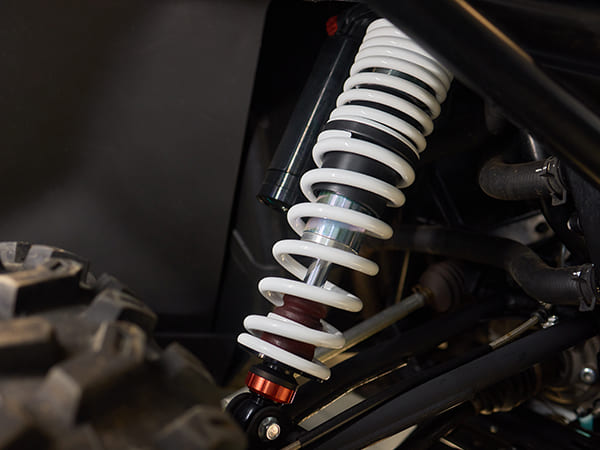
The suspension system connects the vehicle’s body to its wheels and includes several components working together to manage bumps, handling, and stability. These components include:
- Shocks and Struts: Absorb the impact from bumps and prevent excessive bouncing.
- Springs: Support the weight of the vehicle and manage loads for smoother handling.
- Control Arms and Bushings: Provide stability and allow for controlled movement of the wheels.
- Ball Joints and Tie Rods: Control the movement of wheels and steering.
Each part of the suspension system helps maintain the vehicle’s alignment, handling, and overall ride quality.
Common Suspension Problems and Causes of Wear
Suspension components are prone to wear and tear due to age, road conditions, and environmental factors. Common problems include:
- Worn Shocks or Struts: Leads to excessive bouncing or instability, especially on rough roads.
- Broken Springs: Can cause uneven ride height or a bumpy, uncomfortable ride.
- Damaged Control Arms and Bushings: Results in poor alignment and handling.
- Worn Ball Joints and Tie Rods: Can cause steering issues and uneven tire wear.
In Chandler, AZ, where high temperatures and rough roads are common, suspension parts are especially vulnerable to accelerated wear, making timely maintenance even more important.
How to Identify Symptoms of Suspension Problems Early
Recognizing the symptoms of a failing suspension system early can help you avoid bigger problems. Common signs include:
- Bouncing or Swaying: Excessive vehicle bouncing or swaying typically indicates that the shocks or struts are worn out.
- Uneven Tire Wear: This can indicate misalignment caused by worn suspension components.
- Noises from the Suspension: Clunking, squeaking, or popping sounds may be a sign of damaged springs, bushings, or ball joints.
- Pulling to One Side: This could be due to suspension issues or alignment problems.
If you notice any of these symptoms in Chandler’s harsh driving conditions, it’s crucial to have your suspension checked as soon as possible to prevent further damage.
Preventive Measures to Extend the Life of Your Suspension System
Taking proactive steps to maintain your suspension system can save you money and improve vehicle safety. Here are some tips:
- Regular Inspections: Have your suspension inspected during routine maintenance, especially if you’re driving in harsh conditions like those in Chandler, AZ.
- Replace Worn Parts Promptly: If you notice symptoms like bouncing or uneven tire wear, replace the worn-out components to prevent further damage.
- Align Tires and Balance Regularly: Uneven tire wear often signals suspension issues or misalignment, so be sure to have them checked often.
- Avoid Overloading Your Vehicle: Overloading stresses the suspension system and accelerates wear.
Proper care and maintenance will ensure your suspension system continues to provide a smooth, safe ride.
Cost, Risks, and Downtime of Ignoring Suspension Problems
Ignoring suspension issues can lead to serious and expensive problems, including:
- Increased Repair Costs: Small suspension problems can turn into costly repairs if left unaddressed.
- Safety Risks: A compromised suspension can affect vehicle handling and stability, increasing the risk of accidents.
- Extended Downtime: Suspension issues can cause your vehicle to be out of service for an extended period, disrupting your schedule.
In Chandler, where rough terrain and high temperatures put added stress on suspension systems, addressing problems early can help you avoid these risks.
Chandler-Specific Factors That Impact Suspension Wear
In Chandler, AZ, the hot climate and rough roads can cause suspension components to wear out faster than in milder climates. The combination of heat and dust can degrade rubber bushings, seals, and other suspension parts. Regular inspections and maintenance are especially important for local drivers to prevent suspension failure and ensure the vehicle remains in good condition, even in challenging conditions.
Need Suspension Maintenance? Contact Copperhead Diesel Performance
If you’re noticing signs of suspension problems, it’s important to have your vehicle inspected by a professional. At Copperhead Diesel Performance, we specialize in suspension repairs for diesel vehicles in Chandler, AZ. Contact us today for a thorough inspection and professional guidance on maintaining your suspension system.
FAQs
How can I tell if my suspension needs replacing?
Signs that your suspension may need replacing include bouncing or swaying when driving, uneven tire wear, or strange noises like clunking or squeaking.
Can suspension problems affect my car’s safety?
Yes. Compromised stability, poor handling, and reduced braking efficiency are all risks associated with a failing suspension system, significantly increasing the likelihood of an accident.
How long do suspension components typically last?
Suspension components typically last between 50,000 to 100,000 miles, depending on driving conditions and maintenance. However, extreme conditions like Chandler’s heat can shorten their lifespan.
Can I drive with a bad suspension?
It’s not recommended. Driving with a failing suspension system can lead to unsafe handling, uneven tire wear, and more extensive damage to your vehicle.
How often should I inspect my suspension?
It’s recommended to inspect your suspension system every 30,000 to 50,000 miles or whenever you notice symptoms like rough rides or unusual noises.
Key Takeaways on Suspension Maintenance
Regular suspension maintenance is essential to ensuring the safety, comfort, and performance of your vehicle. For Chandler drivers, environmental conditions like heat and rough roads make it even more important to stay on top of suspension inspections and repairs. By addressing issues early, you can avoid costly repairs, downtime, and safety risks, ensuring a smooth and safe ride for years to come.