Suspension cupping on tires is a common issue that can affect your vehicle’s handling and safety. This blog explains the causes of suspension cupping, symptoms to watch for, and the steps to address this problem in Chandler, AZ. Learn how proper maintenance can prevent further damage and ensure a smooth ride.
Why Suspension Cupping on Tires Is a Problem
Suspension cupping refers to the uneven wear pattern that appears on tires due to issues with your vehicle’s suspension system. This condition leads to noticeable dips or grooves in the tire tread, which can significantly affect your vehicle’s performance, ride quality, and safety. It’s critical to address suspension cupping promptly to avoid worsening tire wear and potential vehicle instability.
Driving in Chandler, AZ, with its challenging roads and intense heat, really puts your car’s suspension through the wringer. This means you need to stay on top of those regular check-ups and get any issues fixed right away. If you ignore that telltale tire cupping, you’re not just looking at having to buy pricey new tires sooner; you’re also risking more serious, costly damage to your whole suspension system down the line.
How Suspension Cupping Happens: The Mechanics
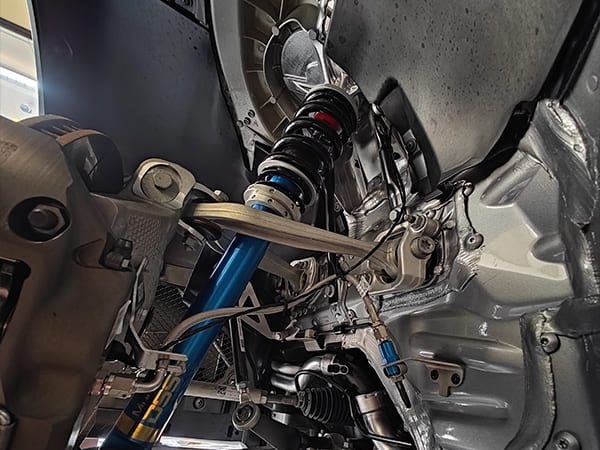
Tire cupping is a frustrating problem that pops up when your car’s suspension can’t do its job right. Bad weight distribution ruins the ride. The shocks stop working correctly, which means you feel every vibration the road throws your way. The rubber wears down in chunks rather than a smooth line. You can actually feel the deep pits and uneven scallops when you run your hand over the tire. ” The real culprits in preventing this are essential suspension parts like your shocks, struts, or control arms.
- Shocks and Struts: Worn-out shocks and struts cause the tires to bounce excessively, leading to uneven wear.
- Alignment Issues: Misaligned wheels can cause tires to wear unevenly, contributing to cupping.
- Worn Suspension Bushings: Damaged bushings can reduce the suspension’s ability to absorb impacts, causing vibrations that result in cupping.
When suspension components wear out, they fail to keep the tires in optimal contact with the road, which accelerates cupping.
Common Causes of Suspension Cupping on Tires
Several factors can contribute to suspension cupping, but the most common causes include:
- Worn-Out Shocks or Struts: If these components can’t properly absorb road impacts, your tires may bounce, resulting in uneven wear.
- Misalignment: Poor wheel alignment causes tires to make contact with the road unevenly, contributing to cupping.
- Unbalanced Tires: Unbalanced tires put extra strain on suspension components, causing uneven pressure on the tire tread.
- Worn Bushings or Bearings: These parts reduce the suspension’s ability to stabilize the vehicle, leading to uneven tire wear.
In Chandler, AZ, where the terrain can be rough and summer temperatures reach extreme levels, suspension components are more vulnerable to wear, which can lead to faster development of cupping on tires.
Symptoms of Suspension Cupping and How to Identify Them
Recognizing suspension cupping early is crucial for preventing further damage. Common symptoms include:
- Unusual Tire Wear: Uneven tire tread, often in the form of dips or waves, is the most obvious sign.
- Noisy Ride: A noticeable increase in road noise, particularly a humming or thumping sound, may indicate cupping.
- Vibration or Shaking: A rough, uncomfortable ride or vibrations in the steering wheel can be caused by cupped tires.
- Poor Handling: If your vehicle pulls to one side or feels unstable, it may be due to suspension cupping affecting tire contact.
In Chandler’s hot climate, tire and suspension components may degrade faster, making it even more important to pay attention to these symptoms.
Preventive Measures and Maintenance Tips
Preventing suspension cupping requires regular maintenance and timely repairs. Here’s how you can extend the life of your suspension and tires:
- Regular Suspension Inspections: Have your suspension system checked regularly, especially if you notice handling issues or uneven tire wear.
- Replace Worn-Out Shocks and Struts: Don’t wait until your shocks or struts are completely worn out. Regularly replace them to ensure the suspension system works efficiently.
- Check Tire Alignment: Ensure your vehicle’s wheels are aligned correctly. Misalignment is one of the leading causes of cupping.
- Balance Your Tires: Regular tire balancing prevents excess strain on suspension components and ensures smooth tire wear.
For Chandler residents, where heat and rough road conditions can exacerbate suspension issues, staying on top of maintenance is essential to avoid costly repairs.
The Consequences of Delaying Suspension Cupping Repairs
Ignoring suspension cupping can lead to more significant problems down the road:
- Increased Tire Wear: Cupped tires wear out faster, necessitating premature replacements.
- Decreased Ride Quality and Safety: A compromised suspension affects vehicle handling, leading to an uncomfortable ride and increased risk of accidents.
- More Expensive Repairs: If cupping leads to further suspension damage, the cost of repairs can increase significantly.
In Chandler, where temperatures can cause faster wear on suspension components, addressing cupping early will help you avoid unnecessary downtime and keep repair costs under control.
Local Insights: Suspension Issues in Chandler, AZ
Driving in Chandler means dealing with heat and potholes that quickly beat up your shocks. Watch out for sun damage on your rubber parts. Heat makes bushings brittle, which eventually destroys the quiet comfort of your vehicle. Rough city roads with hidden bumps and cracked pavement tend to beat up your tires and suspension quickly.
Don’t let suspension cupping chew through your tires. Local drivers who stay on top of maintenance protect their wallets and keep their vehicles running smoothly for years.
Need Suspension Repairs? Trust Copperhead Diesel Performance for Cupping Fixes
If you’re noticing signs of suspension cupping, it’s essential to have your vehicle inspected by a professional. At Copperhead Diesel Performance, we specialize in diagnosing and repairing suspension issues for diesel and heavy-duty vehicles in Chandler, AZ. Contact us today for an inspection to keep your vehicle in top condition.
FAQs
What is suspension cupping on tires?
Suspension cupping occurs when uneven tire wear forms dips or “cups” in the tread, usually due to suspension problems like worn-out shocks or misalignment.
How can I tell if my tires have cupping?
Signs of cupping include uneven tire tread, road noise, vibrations, and poor handling. If you notice these symptoms, it’s time to have your suspension inspected.
Can cupping on tires be fixed?
Yes, cupping can be fixed by repairing or replacing worn suspension components, such as shocks, struts, or bushings, and realigning the tires.
How long does it take to repair suspension cupping?
The repair time depends on the extent of the suspension damage. Typically, addressing suspension cupping can take a few hours to a day, depending on the repairs needed.
Is suspension cupping dangerous?
Yes. Suspension cupping can lead to decreased vehicle stability, poor handling, and a rough ride, making it unsafe to drive. Prompt repairs are recommended to prevent accidents.
Conclusion: Key Takeaways on Fixing Suspension Cupping
Suspension cupping is a common issue that affects the safety and performance of your vehicle. By addressing the root causes early—such as worn-out shocks, misalignment, or unbalanced tires—you can prevent further damage and avoid expensive repairs. For Chandler drivers, regular suspension maintenance is crucial to ensure your vehicle runs smoothly and safely, even in harsh road conditions and extreme temperatures.