Rear suspension problems affect ride stability, tire wear, and load control—especially in trucks common in Chandler, AZ. Heat, towing, and rough roads accelerate wear in shocks, leaf springs, bushings, and control arms. This guide explains common rear suspension failures, warning signs, and why early inspection prevents costly repairs and unsafe driving.
Why Rear Suspension Wear Is a Serious Issue for Chandler Drivers
Sure, the front suspension gets all the glory—that’s where the steering action is. But don’t forget the rear! It’s the unsung hero, handling all the weight, keeping you stable when you hit the brakes, and making sure your ride feels balanced. That’s super important for all those trucks and SUVs we see driving around Chandler.
When rear suspension components wear out, you may notice:
- Excessive bouncing after bumps
- Rear-end sagging
- Uneven rear tire wear
- Sway during lane changes
- Clunking from the back of the vehicle
In Chandler, summer temperatures routinely exceed 110°F. Extended heat exposure dries out bushings, weakens shock seals, and accelerates rubber deterioration. For diesel trucks used for towing, rear suspension wear occurs even faster.
How the Rear Suspension System Supports Stability and Load Control
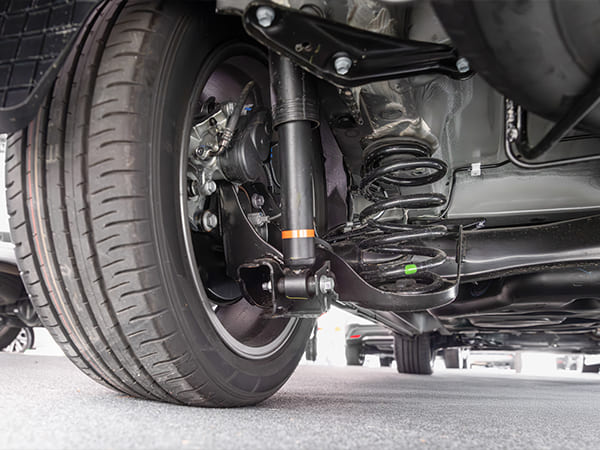
Rear suspension systems vary by vehicle type, but their purpose remains the same: maintain axle alignment, absorb impact, and stabilize weight transfer.
In Chandler auto repair work, we commonly see:
- Leaf Spring Setups (heavy-duty diesel trucks)
- Coil Spring with Control Arms (SUVs and light trucks)
- Air Ride Systems (luxury SUVs and HD trucks)
Core components include:
- Shocks/Dampers – Control rebound and oscillation.
- Leaf or Coil Springs – Support vehicle weight and cargo load.
- Control Arms – Maintain axle positioning.
- Bushings – Allow controlled movement while reducing vibration.
- Sway Bars – Reduce lateral body roll.
When any of these parts degrade, axle geometry changes under load. That leads to instability.
What Commonly Fails in Rear Suspension Systems in Chandler, AZ?
From years of rear suspension repair in Chandler, several patterns consistently show up:
1. Worn Rear Shocks from Heat and Heavy Use
Arizona heat is extremely hard on shock absorber seals. Once fluid leaks or internal valving weakens, the shock can no longer control rebound. The result is repeated bouncing after bumps, especially noticeable on uneven pavement or freeway expansion joints. For diesel trucks used in towing or hauling, worn shocks often appear sooner because added weight forces them to work harder.
2. Leaf Spring Fatigue and Rear-End Sagging
Leaf springs gradually flatten under sustained load. Trucks used for towing campers, trailers, or work equipment often develop noticeable rear sag. This not only affects ride height but also shifts driveline angles, increasing wear on the driveshaft and differential. In Chandler’s construction-heavy environment, work trucks frequently show spring fatigue earlier than expected.
3. Control Arm Bushing Deterioration from Heat Cycling
Rubber bushings crack and dry out due to repeated heat exposure. Once the rubber separates from the sleeve, the axle can shift slightly during braking or acceleration. Drivers may feel instability, rear steer sensation, or clunking noises over small bumps. What starts as a minor vibration often progresses into alignment retention problems.
4. Air Suspension Leaks in Extreme Temperatures
Rear air suspension systems are sensitive to both heat and small seal failures. In Chandler, we frequently see vehicles sagging overnight due to slow air leaks worsened by high daytime temperatures. Left unaddressed, compressors overwork themselves trying to maintain ride height, eventually leading to compressor failure.
5. U-Bolt Loosening and Hardware Fatigue Under Towing Load
Leaf spring systems rely on tight U-bolts to secure the axle. Heavy towing loads combined with road vibration can gradually loosen hardware. Loose U-bolts allow slight axle movement, leading to vibration, instability, and uneven tire wear. This is more common in lifted or modified diesel trucks.
Chandler’s desert heat, active towing culture, and expanding construction zones all contribute to accelerated rear suspension wear.
Recognizing Symptoms vs. Identifying the True Mechanical Cause
Rear suspension symptoms can overlap with tire or drivetrain issues.
| Symptom | Possible Root Cause |
| Rear sagging | Leaf spring fatigue or air suspension leak |
| Repeated bouncing | Failed shocks |
| Clunk during acceleration | Worn bushings or loose hardware |
| Rear sway while towing | Weak springs or sway bar wear |
| Uneven rear tire wear | Axle shift or suspension play |
Replacing only one visible component often fails to solve the problem if supporting parts are also worn.
Preventing Rear Suspension Failure Before It Escalates
Rear suspension wear is progressive.
Preventive steps include:
- Annual suspension inspections
- Checking ride height under load
- Monitoring bushing condition
- Inspecting shocks for leakage
- Checking torque on suspension hardware
In Chandler auto repair settings, preventive inspections are especially important before summer road trips or towing season.
The Real Cost, Safety, and Downtime Impact of Rear Suspension Neglect
Rear suspension problems affect:
- Towing stability
- Braking balance
- Tire longevity
- Driveline alignment
- Overall vehicle control
Ignoring sag or instability increases stress on the transmission and differential. What begins as shock wear can expand into multi-system repairs.
Downtime grows as multiple components fail together.
Chandler-Specific Factors That Accelerate Rear Suspension Wear
Several regional conditions directly affect suspension durability:
- Pavement temperatures exceeding 150°F
- Heavy trailer towing common in the area
- Ongoing road construction
- Dust intrusion into aging rubber components
- Long daily commutes in stop-and-go traffic
Rear suspension inspection in Chandler is not optional for high-use trucks—it’s maintenance.
What We Commonly See During Rear Suspension Inspections
A common case involves a diesel truck experiencing sway while towing. The driver suspects alignment. Inspection reveals flattened leaf springs and deteriorated bushings allowing axle movement under load.
Another frequent case involves SUVs with rear air suspension sagging overnight from small leaks that worsen in extreme heat.
In both scenarios, full-system evaluation prevents repeat failures.
Staying Ahead of Rear Suspension Wear in Chandler
Rear suspension issues often begin quietly—small bounce, mild sag, slight sway. In Chandler’s extreme heat and heavy truck usage environment, these problems accelerate.
Understanding failure patterns and addressing wear early protects stability, towing safety, and long-term repair costs. Preventive inspection remains the most reliable way to avoid larger mechanical failures.
When a Professional Rear Suspension Evaluation Is Appropriate
If you’re noticing sagging, instability, or unusual rear-end noises, a structured inspection can identify the true cause.
At Copperhead Diesel Performance, we evaluate ride height, hardware integrity, axle positioning, and component wear to determine the correct repair path for drivers in Chandler, AZ.
Frequently Asked Questions
Is rear suspension failure dangerous?
Yes. It affects braking stability and towing control.
Can bad rear suspension cause vibration?
Yes. Axle movement or worn bushings can create driveline vibration.
How often should rear suspension be inspected in Chandler?
Annually, and before heavy towing seasons.
Is sagging always caused by bad shocks?
No. Springs are often the primary cause.
Can I drive with rear suspension noise?
You can, but progressive wear increases repair scope and safety risk.